Baleària is preparing to introduce a stand-alone methanol-based electricity generation unit on its electric ferry, Cap de Barbaria.
The equipment, developed by the Catalan company Methanol Reformer, is designed to produce renewable hydrogen from methanol through its eNomad system. The project is intended to support auxiliary power needs on board and allow the ferry to operate as a test platform for hydrogen technologies.
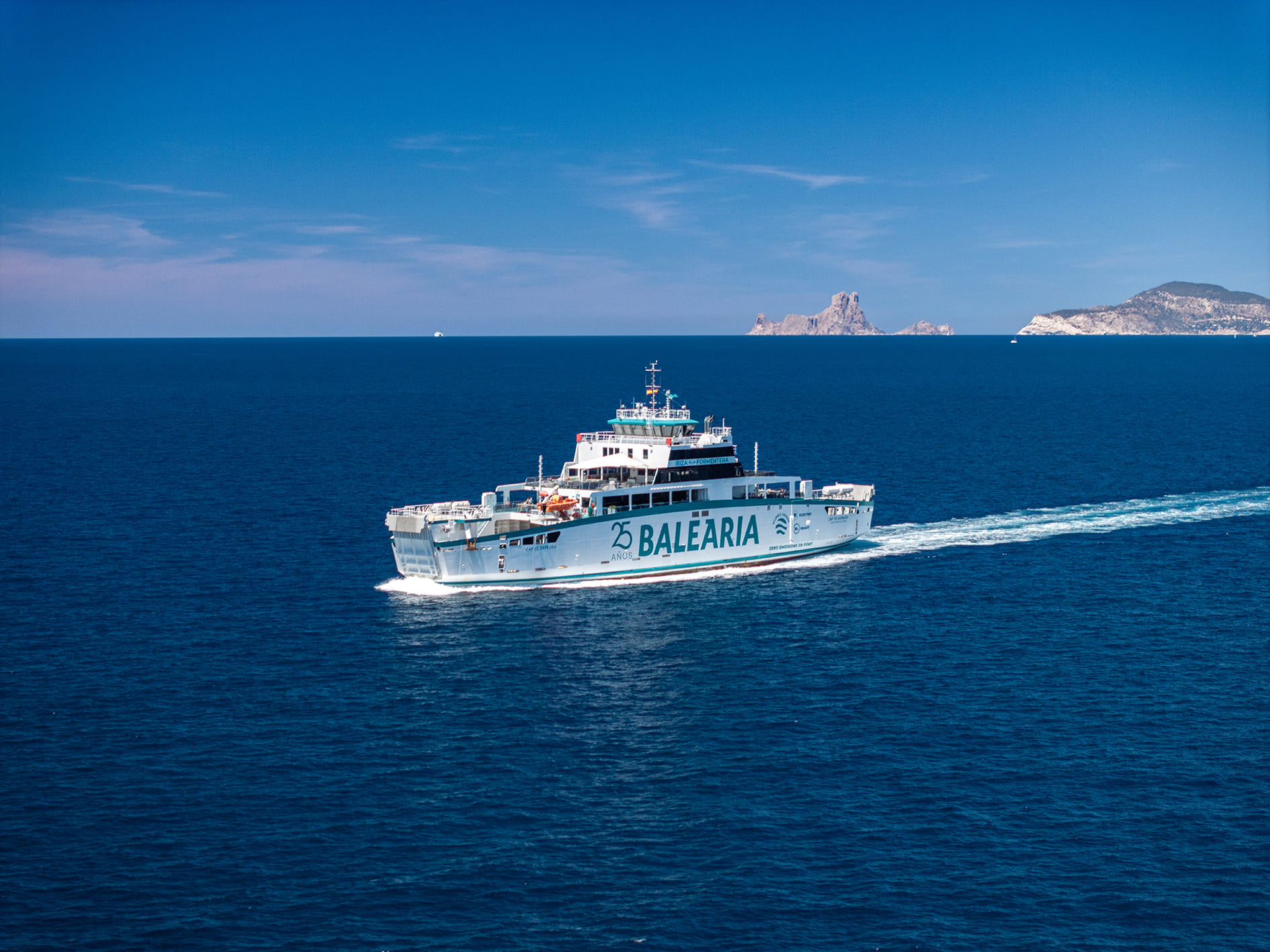
The Cap de Barbaria, which has served the Ibiza–Formentera route since 2023, was originally built with the option to integrate a hydrogen-based power system. The new eNomad module combines hydrogen production from e-methanol with an electrical generation unit in a compact, autonomous container. It is designed to function in both port and maritime settings, enabling Baleària to trial the system during normal operations.
Hydrogen generated on board will feed a fuel cell to produce auxiliary electrical power. This energy will support battery charging and reduce reliance on conventional generators, with the aim of lowering fuel use and associated emissions. Baleària will also use the installation to examine different configurations involving batteries and fuel cells for the ferry’s electric drive system.
By conducting these trials, the company intends to assess the role methanol could play as an energy carrier in short-sea shipping. Methanol’s storage characteristics make it similar to conventional liquid fuels, while the ability to produce hydrogen on board reduces dependence on shore-based hydrogen infrastructure. The project will allow Baleària to evaluate energy consumption, emissions performance and the potential for applying the technology to other vessels and routes.
Javier Cervera, Baleària’s Corporate Director of Institutional Relations and the Energy Transition said:This compact equipment enables us to run a small-scale green hydrogen experimental laboratory in a real operating environment and on a route as sensitive and iconic as the one linking Ibiza and Formentera. Today, we are once again pioneers, testing the technologies that will make tomorrow's zero-emission navigation possible.
The Cap de Barbaria entered service as Spain’s first electric passenger and cargo ferry capable of zero-emission approaches and stays in port. Baleària reports that its introduction led to a reduction in CO₂ emissions compared with the vessel previously assigned to the route. The methanol-hydrogen initiative forms part of the BUCEMTO project, funded by the EU’s Next Generation programme, and contributes to the company’s broader strategy, which includes the use of natural gas, renewable fuels, electrification and hydrogen.
Baleària currently operates 11 dual-fuel LNG vessels, three of which run on bioLNG. The company is also progressing plans for fully electric fast ferries, including a proposed green corridor between Tarifa and Tangier. In 2024, Baleària recorded a near-10% reduction in its carbon footprint per passenger.