The Estonian State Fleet has signed a new design and shipbuilding contract with Polish shipyard CRIST S.A. for the construction of Estonia’s first fully electric passenger ferry.
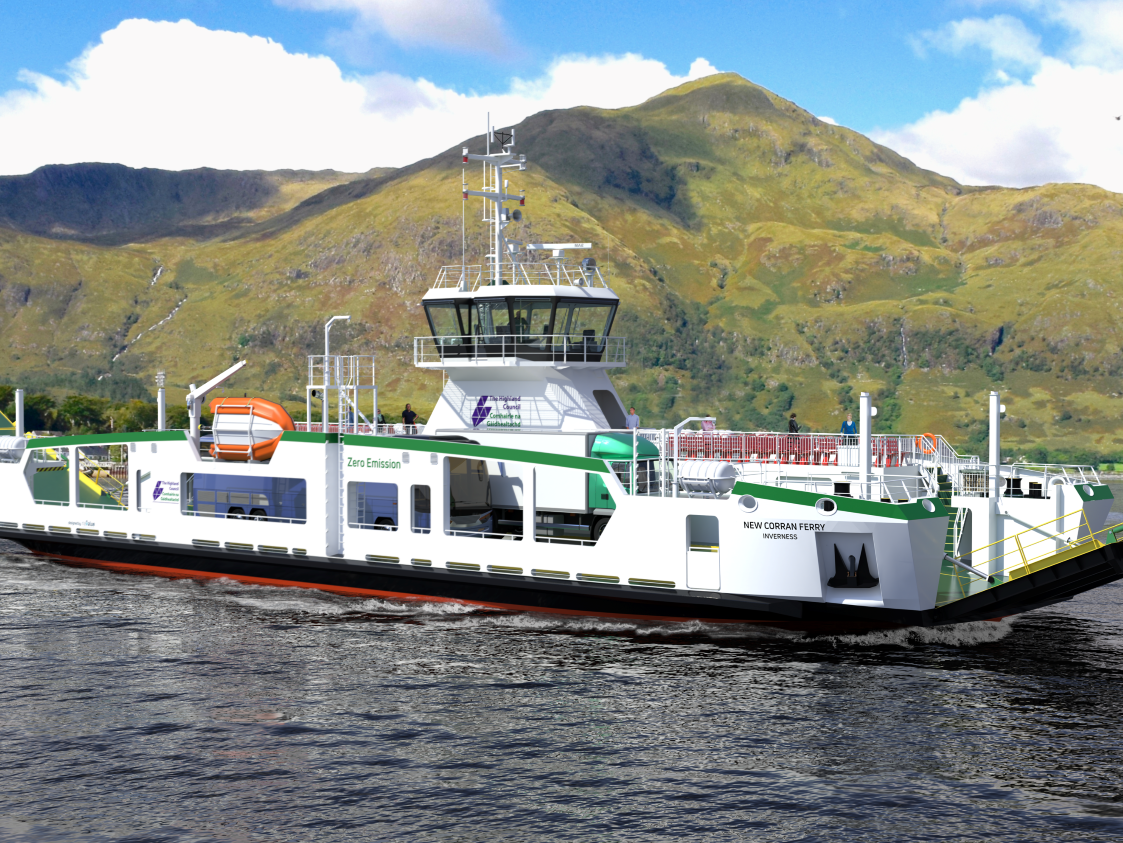
Scheduled to enter service at the end of 2028; the ferry will operate primarily on shore-charged green electricity, and is designed to offer services year-round in Nordic conditions – including winter ice operations.
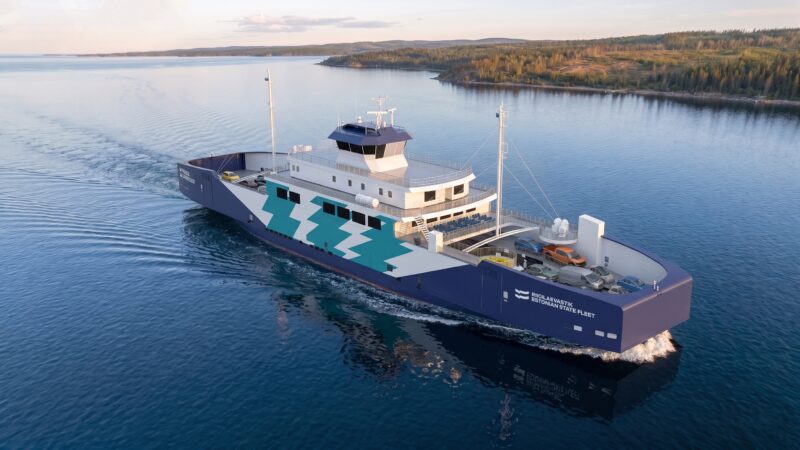
The project is primed to support both fleet modernisation and Estonia’s broader transition towards lower-emission maritime transport.
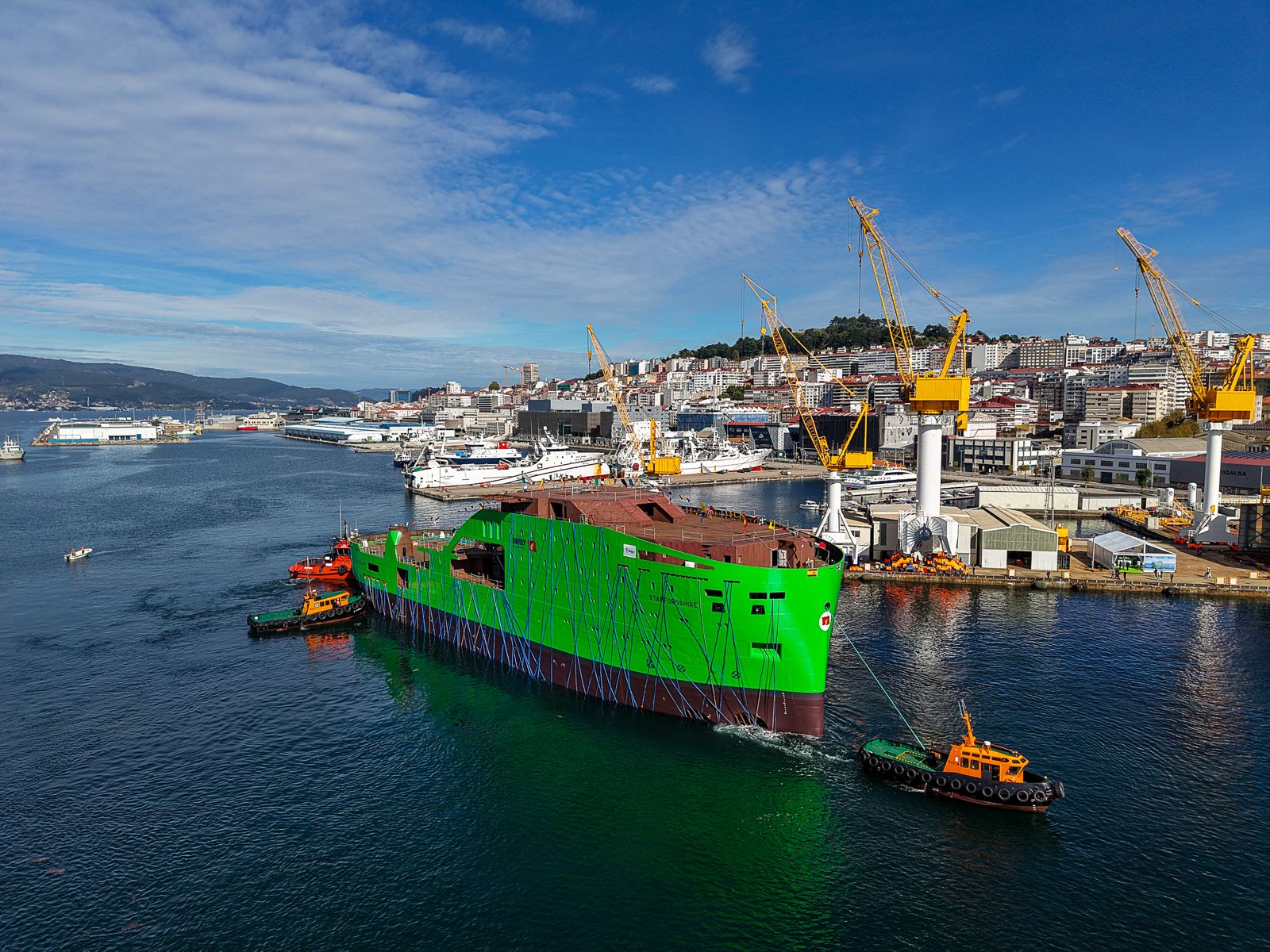
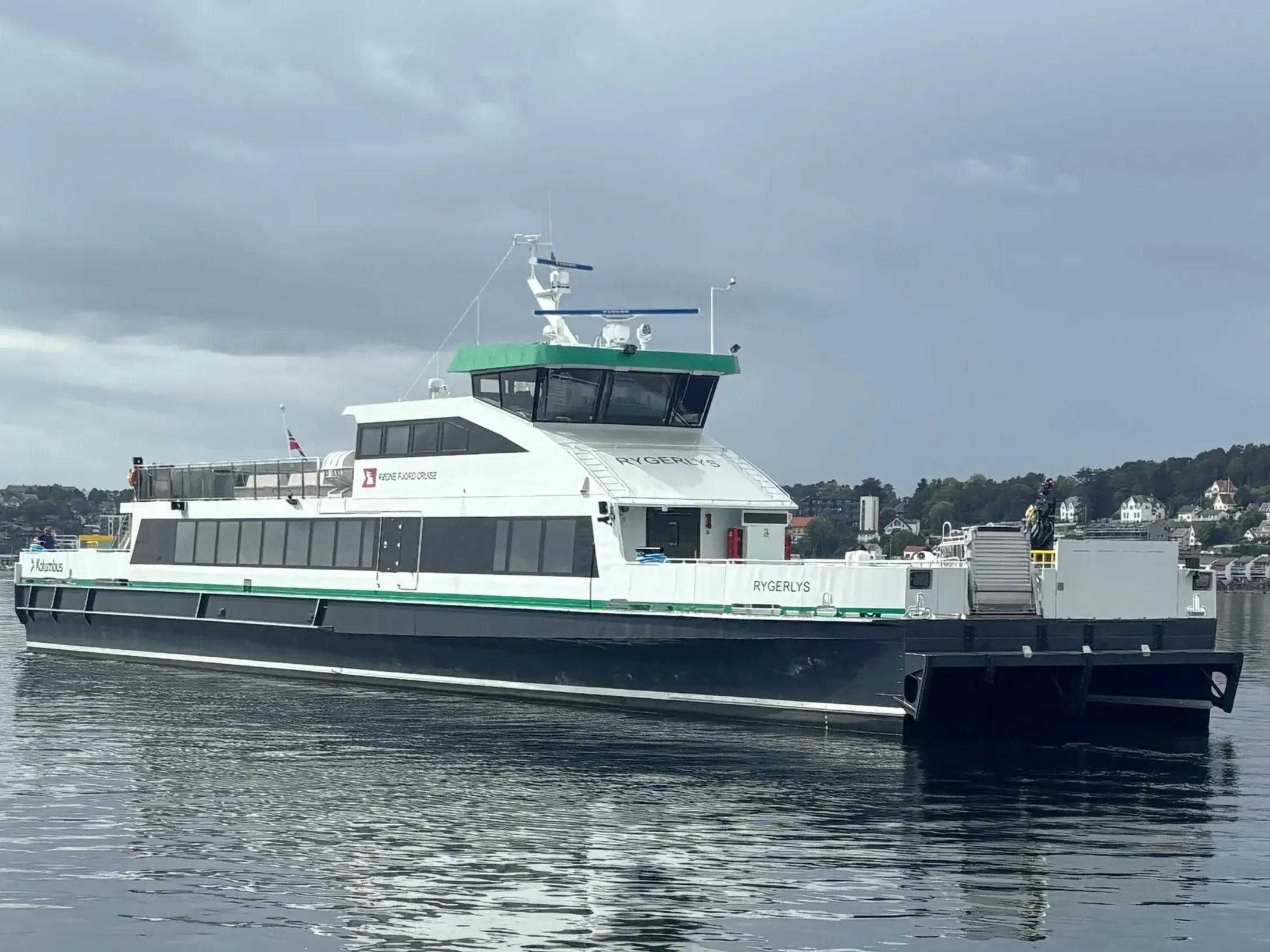
Construction work will be handled by CRIST S.A., which has previously been responsible for the delivery of several advanced low-emission vessels, including the fully electric ice-class ferries Altera and Elektra operating in Finland.
The ferry itself will be designed by naval architecture company LMG Marin, and is expected to be up to 64% more energy-efficient than Estonia’s existing reference vessel Regula, which is powered by traditional diesel generators.
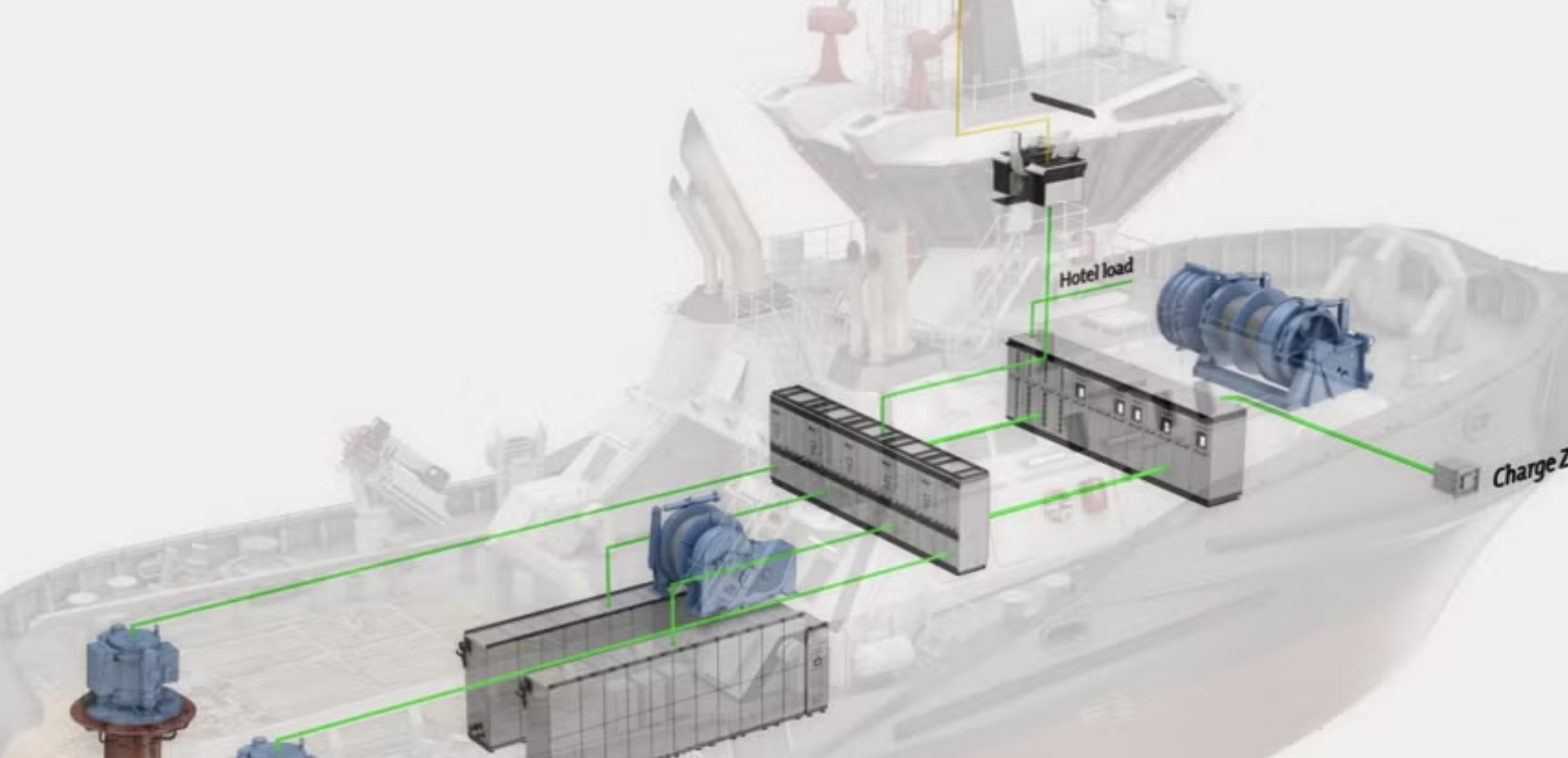
Primary power for the vessel will come from shore-charged electricity, which will be stored in a 3 MWh battery system, allowing for fully electric operation on the main island’s Virtsu–Kuivastu route.
In order to offer extended range, severe weather and emergency operations; the vessel will also be equipped with biodiesel generators, which provide an operating range of a minimum of 1,000 nautical miles without refuelling.
The ferry will be built to ice class 1B, allowing for operation in ice up to 60cm thick and maintaining standard operational speeds in lighter ice conditions. It will be equipped with azimuth thrusters at both ends, which have a designed output that exceeds the minimum requirements for ice class 1B – providing additional power for operation in heavy ice.
Capable of accommodating up to 110 passenger vehicles or 9 freight trucks, the vessel will be able to carry up to 380 passengers, and has been planned with a focus on functionality.
CRIST S.A. is set to deliver the vessel within 30 months of the signing of the contract, with entry into service expected in late 2028.
The total value design and construction contract is 49.93 million EUR, and the project is supported by EUR 28 million from the European Union Modernisation Fund, with additional financing secured through Estonia’s CO₂ funding mechanisms.
Estonian Minister of Infrastructure, Mr Kuldar Leis, said:Ferry connections are vital for Estonia and especially for our island communities. They support everyday life, local businesses and access to essential services.
This new fully electric ferry will make that connection more reliable, modern and environmentally friendly. I am glad that we are moving forward with a Polish shipyard whose experience in demanding maritime conditions will support the delivery of a vessel well suited to Estonia’s needs.