The Port Authority of New York and New Jersey has approved a 45 billion USD capital plan for the period 2026–2035, confirming continued long-term investment in maritime infrastructure.
The programme prioritises capacity, resilience and operational efficiency to support cargo growth and maintain the port’s role within national and international supply chains.
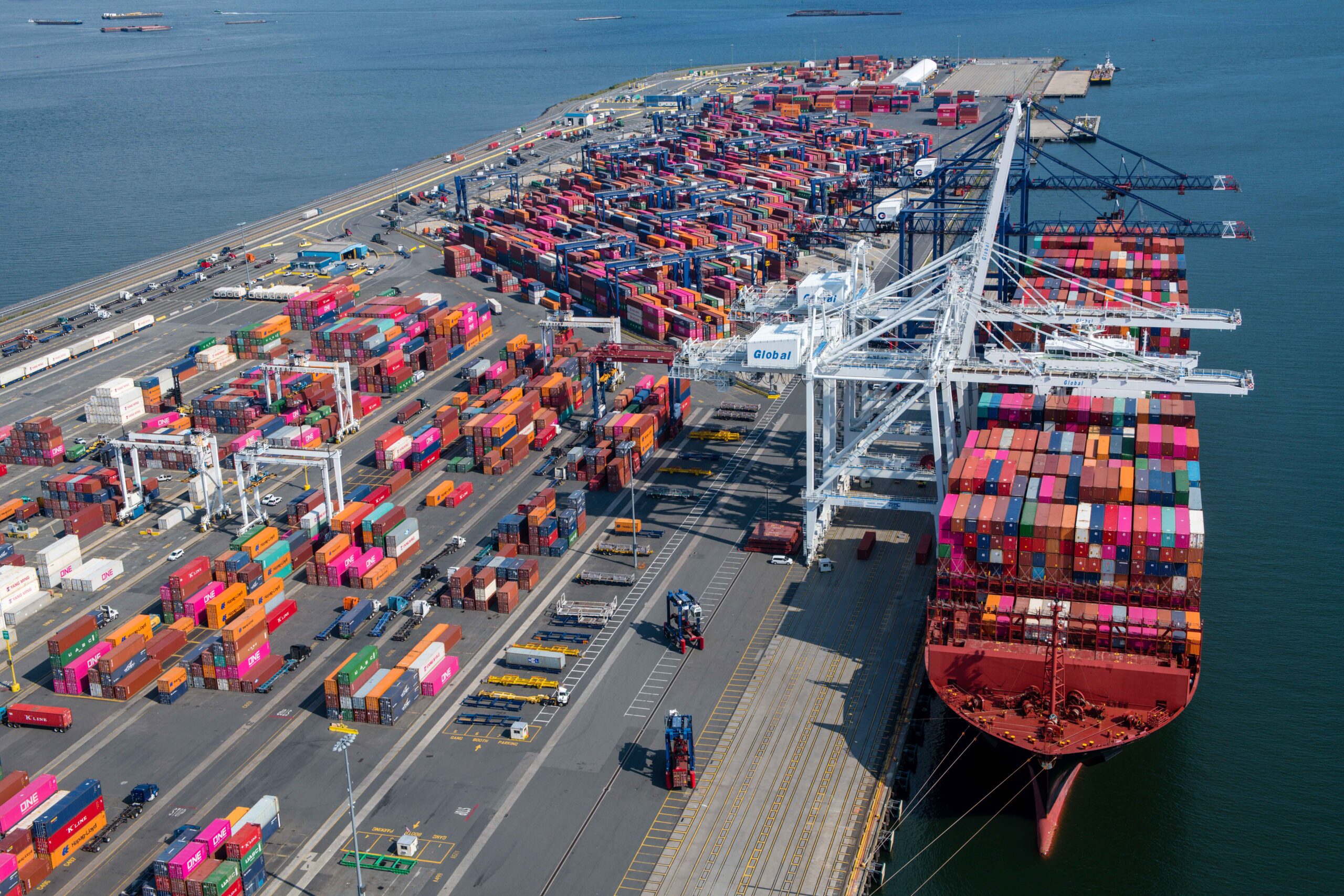
The maritime component of the plan builds on the 2017–2025 capital programme, which focused on enabling larger container vessels, expanding rail connectivity and improving terminal access. The new plan continues this approach, with a mix of public and private investment aimed at modernising ageing assets and supporting future demand.
Port of New York and New Jersey
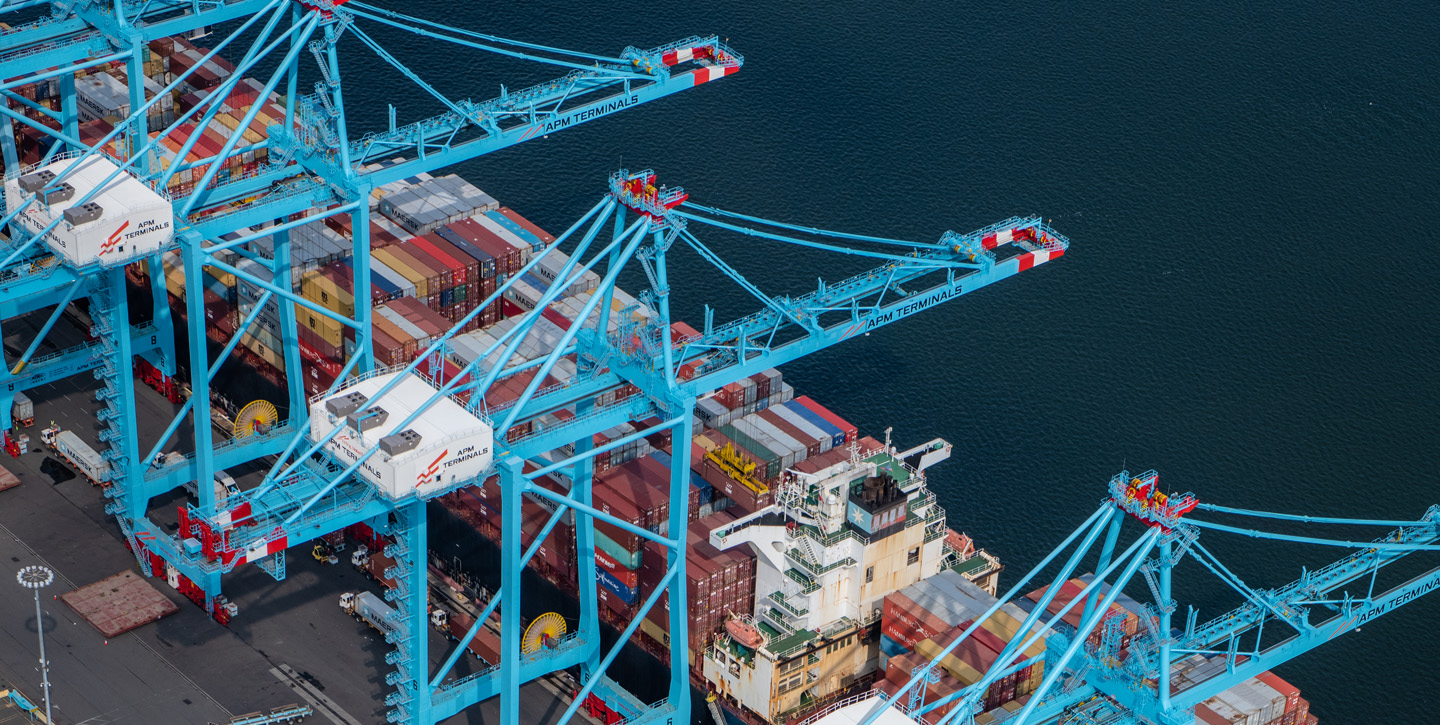
At the Port of New York and New Jersey, the capital plan supports more than 1.2 billion USD in private-sector investment to modernise and expand container terminal facilities. These investments are intended to improve cargo handling efficiency, expand capacity and support a transition to lower-emission port operations.
Terminal lease requirements will continue to encourage upgrades to cargo-handling equipment and improvements to the truck driver experience, including better on-terminal circulation and reduced congestion at access points.
Harbour Deepening
The capital plan advances further work to deepen the harbour to 55 feet, in coordination with the U.S. Army Corps of Engineers. This programme is designed to accommodate larger, high-capacity container vessels and improve navigational safety.
Funding is also allocated for the restoration or replacement of ageing wharves and berths, many of which are more than 60 years old. These works are intended to extend asset life, improve resilience and support future growth in cargo volumes.
Rail Connectivity
Investment in intermodal rail infrastructure remains a key element of the maritime programme. Building on the completion of the ExpressRail network across the port, the capital plan supports further improvements to rail fluidity and capacity, enabling a higher proportion of containers to move by rail rather than road.
These measures are intended to reduce truck congestion, improve environmental performance and strengthen the port’s competitiveness within the wider logistics network.
Resilience and Sustainability
The capital plan includes funding to strengthen maritime assets against the impacts of extreme weather and sea level rise, reflecting lessons learned from Superstorm Sandy. This includes flood protection, structural reinforcements and asset hardening across terminals and supporting infrastructure.
Sustainability initiatives are also embedded within the maritime programme, with funding to support electrification of cargo-handling equipment, reductions in greenhouse gas emissions, and alignment with the Port Authority’s longer-term net-zero objectives.
Economic and Operational Context
The Port of New York and New Jersey remains one of the busiest seaports in the United States by container volume. The Port Authority stated that the approved investments are intended to protect regional jobs, support trade flows and maintain reliable operations amid changing global shipping patterns.
Maritime projects within the 2026–2035 capital plan will be funded through a combination of Port Authority capital resources, terminal lease revenues and private-sector investment. As with other areas of the programme, the authority does not rely on direct taxpayer funding from New York or New Jersey.