The Port of Tyne has reported strong operational gains after the implementation of Ericsson Private 5G, a network utilising BT spectrum and Ericsson’s on-site core and radio infrastructure.
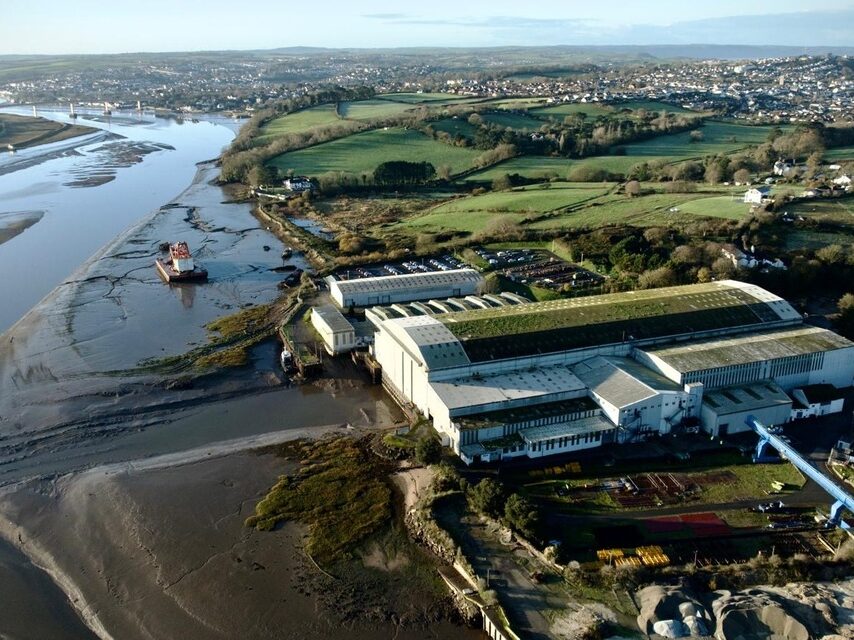
Installation of the new system has enabled the provision of support by allowing consistent connectivity for real-time applications across the Port-site, which spans 620 acres and supports operations across over 3km of berths.
The port operates across both sides of the River Tyne and relies on connected vehicles, machinery and video-driven processes. Implementation of the Ericsson Private 5G network has allowed the port to run mobility-led and safety-focused applications less fear of a drop in performance.
During the last year; the network has been used to support a wide range of operations, including live container scanning, PPE monitoring, restricted-area detection, road-condition analysis, emission montoring and high-security access control using video and sensors.
Vehicle-mounted cameras allow teams to identify road defects before they expand, with drones used for stock control and infrastructure inspection.
The Port has also announced it is working with Caterpillar to connect the CatCommand system, which will enable remote-controlled shovels to reduce the need for workers to enter more hazardous ship holds.
Tamsin Warren, Head of Technology and Transformation at Port of Tyne says:After a full year of operating on private 5G, we’ve seen firsthand how reliable wireless connectivity strengthens our day-to-day operations. From safety-critical activities to logistical environments, the network has given us consistent, real-time visibility across our whole site.
It’s helping our teams to work more safely and make better decisions with the live data to move us forward to becoming one of the UK’s smartest and greenest ports.