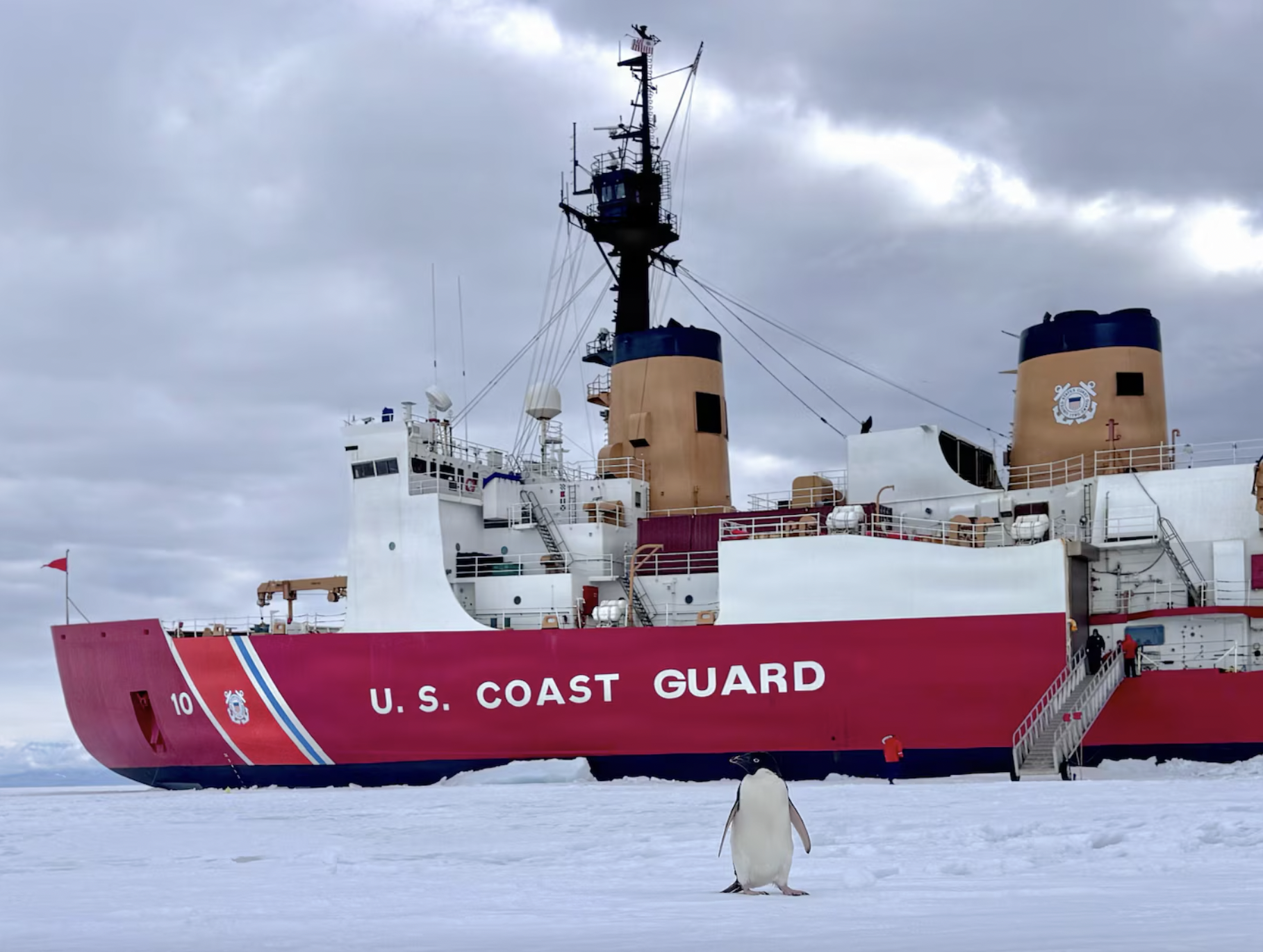
The United States Coast Guard icebreaker Polar Star has departed the Antarctic region after completing its annual support mission for Operation Deep Freeze. This concludes 55 days of operating south of the Antarctic Circle.
The cutter left McMurdo Sound on 1 March after travelling around 14,000 miles during the deployment. The vessel had arrived in the region in late December following its departure from Seattle in November.
During the mission, the 399-foot heavy icebreaker established a seven-mile channel through fast ice to allow supply vessels to reach McMurdo Station, the primary United States research facility in Antarctica. The channel enabled the tanker Stena Polaris to deliver more than six million gallons of fuel to the station.
While conducting operations on 17 January, the cutter marked the 50th anniversary of its commissioning. On the same day, the ship assisted the Australian-owned expedition cruise vessel Scenic Eclipse II, which had become surrounded by dense pack ice roughly eight nautical miles from McMurdo Station. The icebreaker made two passes to break the ice around the vessel and then escorted it about four nautical miles to open water.
In late January, the ship spent five days alongside at McMurdo Station, where its crew helped load approximately 300,000 gallons of fuel.
Following its departure from the station, the vessel participated in a joint operation with the National Science Foundation to remove a 4,200-ton floating ice pier from Winter Quarters Bay. The operation cleared the bay to allow the cargo vessel Plantijngracht to conduct resupply operations using a modular causeway system. Shifting ice later required the cargo ship to be escorted into the bay by the icebreaker.
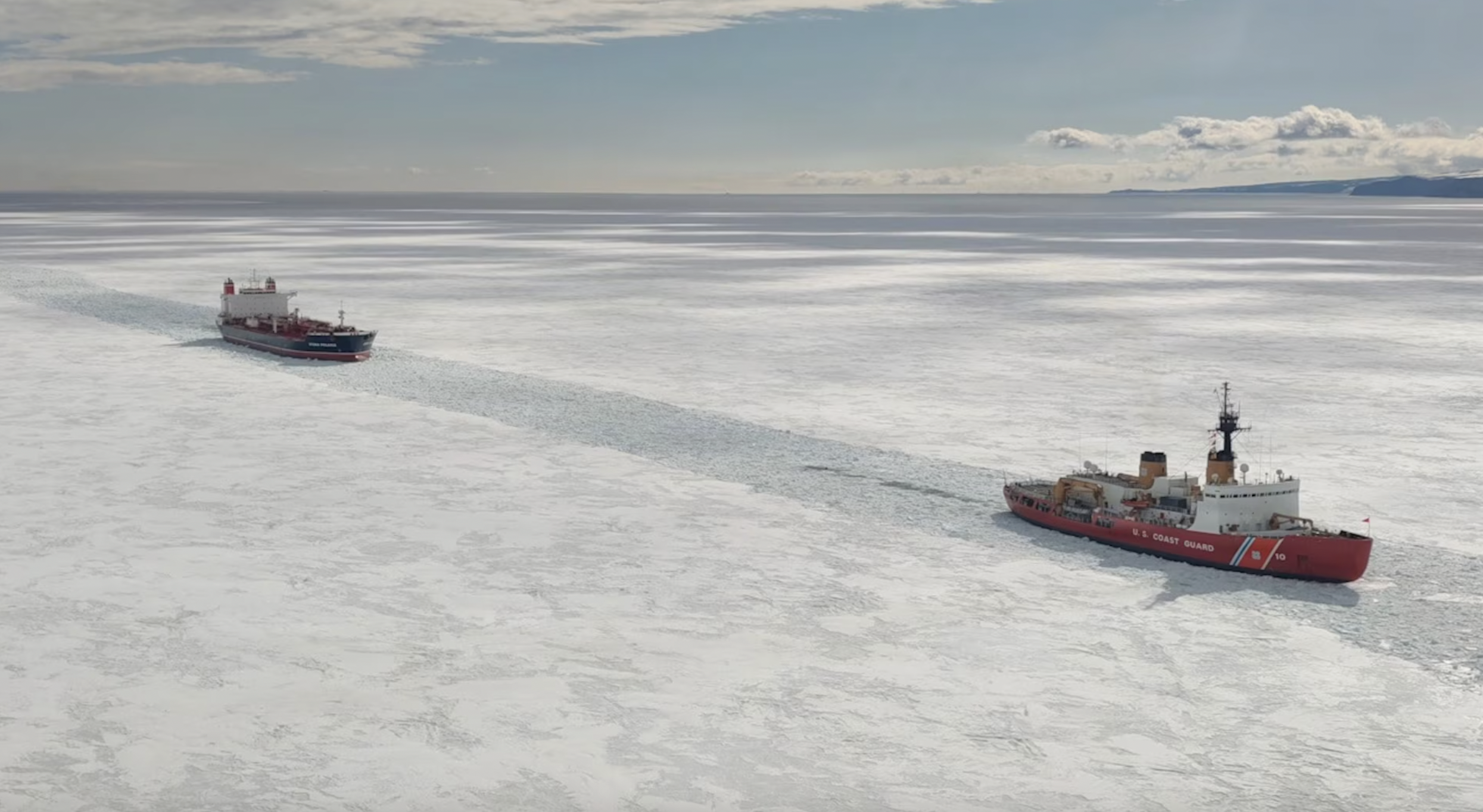
After the cargo mission was completed, the ship carried out a final escort through late-season pack ice for the tug Rachel, which delivered a newly constructed pier for the United States Antarctic Program.
Capt. Jeff Rasnake, commanding officer of the Polar Star said:I am so proud of how this crew, once again brought their best energy and worked together through every single challenge this year’s mission presented. Despite the heavy toll Operation Deep Freeze exacts on each individual, mentally and physically, our spirits remain high as we point our compass north and start our journey home.
Operation Deep Freeze is the United States military’s support mission for the United States Antarctic Program, which is managed by the National Science Foundation. The operation provides transport, fuel delivery, cargo handling, search and rescue capability, and access to Antarctic research facilities.
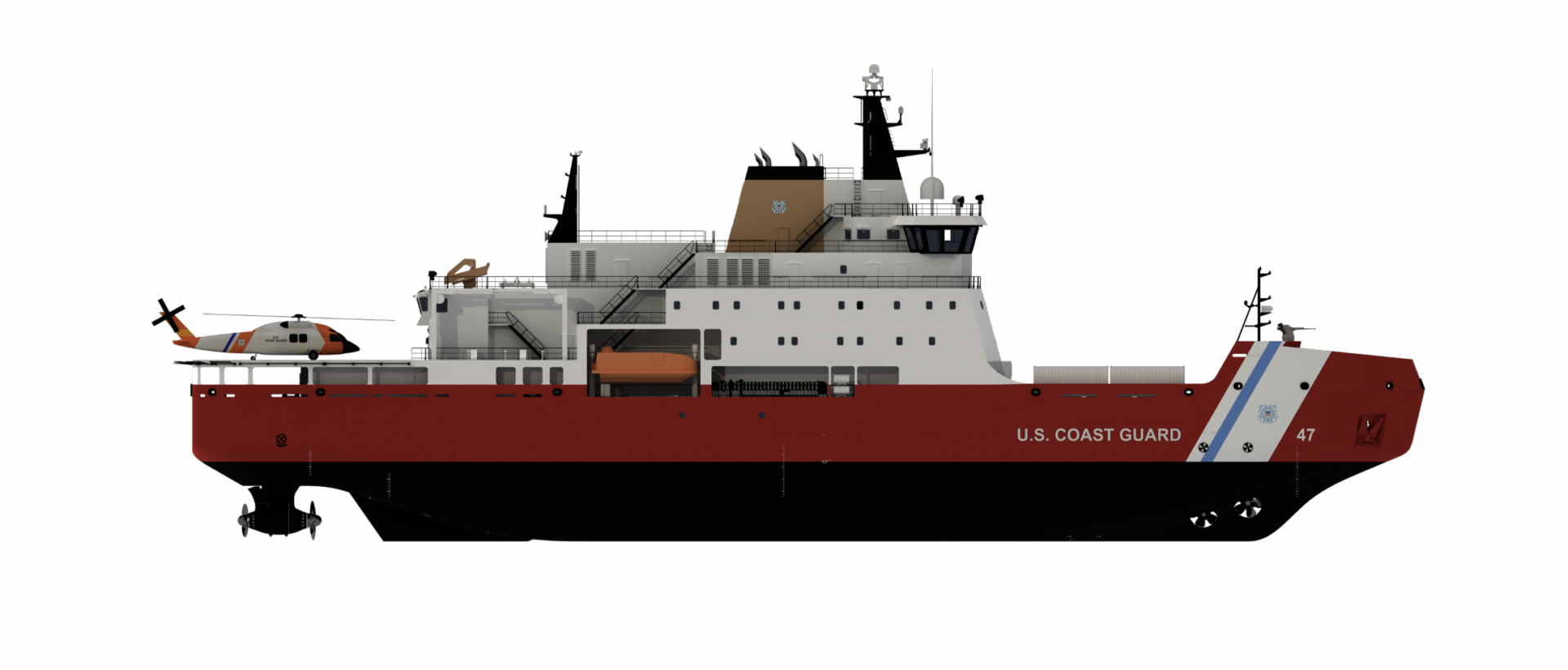
The Polar Star, commissioned in 1976, is the United States’ only operational heavy polar icebreaker capable of providing access to both the Arctic and Antarctic regions. Powered by six diesel engines and three gas turbines generating up to 75,000 horsepower, the vessel displaces about 13,500 tonnes and measures 84 feet in beam with a draft of 34 feet.