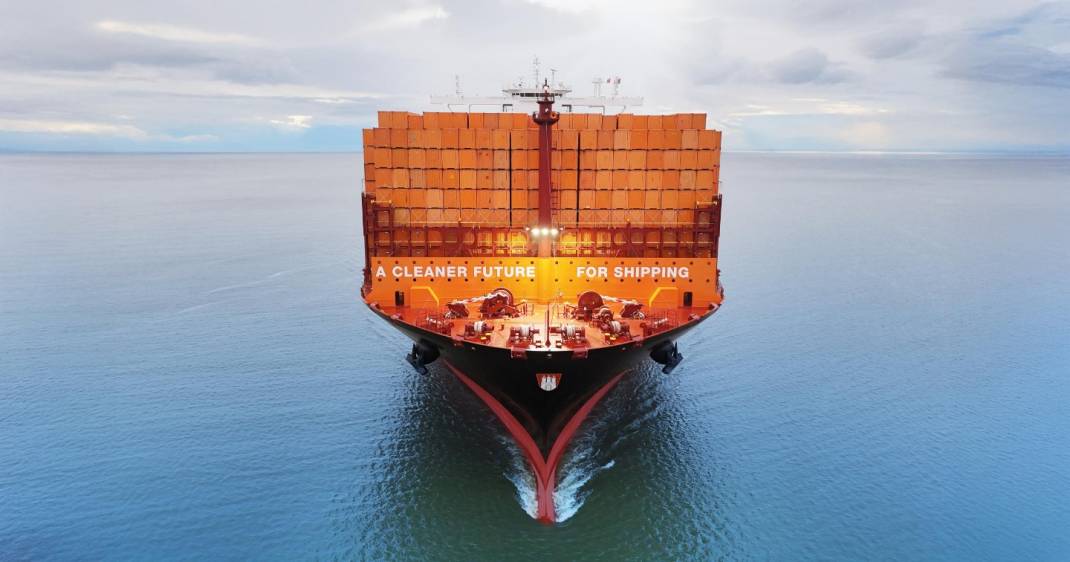
Hapag-Lloyd and Seaspan Corporation have completed the first vessel conversion under a joint programme to retrofit container ships for methanol operation.
The vessel, Seaspan Yangtze, has been upgraded from a conventional MAN S90 engine to a dual-fuel system capable of operating on both conventional marine fuels and methanol. The ship is the first of five chartered vessels with a capacity of 10,100 TEU scheduled for conversion under the programme.
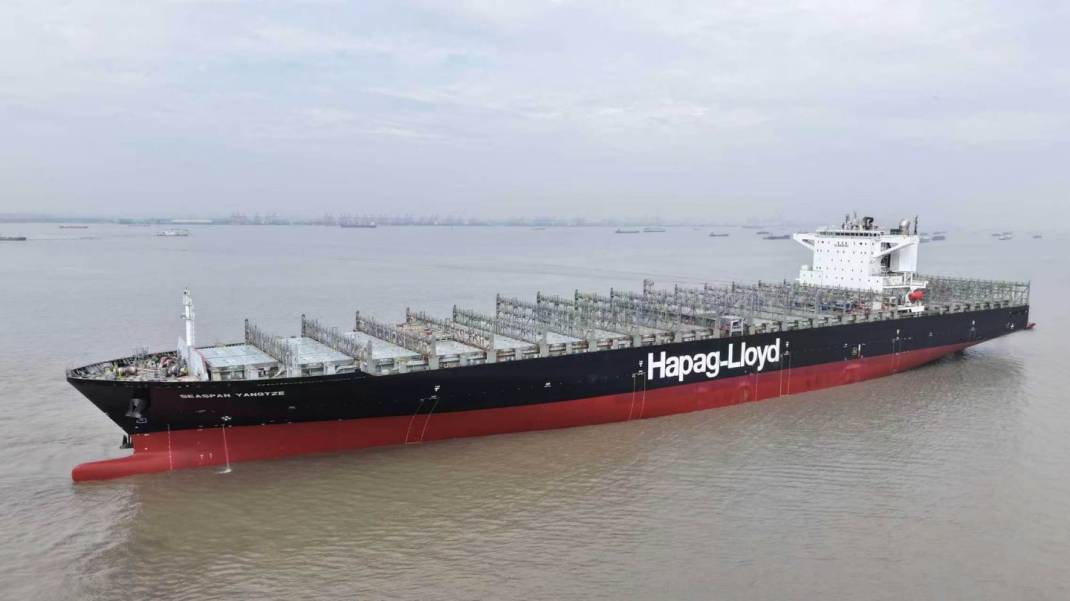
The retrofit project forms part of a collaboration between Hapag-Lloyd, Seaspan and engine manufacturer Everllence. Four additional vessels — Seaspan Amazon, Seaspan Ganges, Seaspan Thames and Seaspan Zambezi — are due to undergo similar conversions. The total investment for the five-vessel programme is estimated at approximately 120 million USD.
According to the companies, each converted vessel could reduce carbon dioxide equivalent (CO2e) emissions by between 30,000 and 50,000 metric tonnes annually when operating on low-carbon methanol. The exact reduction will depend on operational factors and fuel availability.
In addition to lowering emissions, the retrofit programme is intended to extend the service life of existing vessels while providing operators with greater flexibility in fuel choice. The approach reflects a wider trend within the shipping industry, where shipowners and operators are exploring alternatives to conventional marine fuels as regulatory and commercial pressures to reduce emissions increase.
Silke Lehmköster, Managing Director Fleet at Hapag-Lloyd said:Retrofitting existing vessels is an important lever on our way to decarbonise our fleet operations by 2045. The successful conversion of the Seaspan Yangtze shows that technical innovation and close cooperation with strong partners can make proven vessels ready for the use of low-carbon fuels. For our customers, this is another concrete step towards more sustainable supply chains.
The completion of the Seaspan Yangtze conversion demonstrates how existing vessels can be adapted to accommodate lower-carbon fuel options as the maritime sector continues its transition towards reduced greenhouse gas emissions.