A new study by EY Greece warns that the shipping sector’s transition to net zero may be ‘uneven and capital intensive’, and be constrained by factors including alternative fuel availability, infrastructure, shipyard capacity, access to finance and fragmented commercial incentives.
In a response to the report, BAR Technologies has stated that whilst the industry is ‘right to plan’ for long-term fuel pathways, ‘too much’ of the decarbonisation debate still remains focused on ‘what might become available in the future rather than what can be deployed now’.

The study from EY identifies energy efficiency and operational measures as amongst the most practical near-term actions available to the shipping sector.
In its suggestion BAR Technologies has argued that wind propulsion must be recognised as a proven part of this immediate response, having already delivered fuel and emissions savings on commercial vessels.
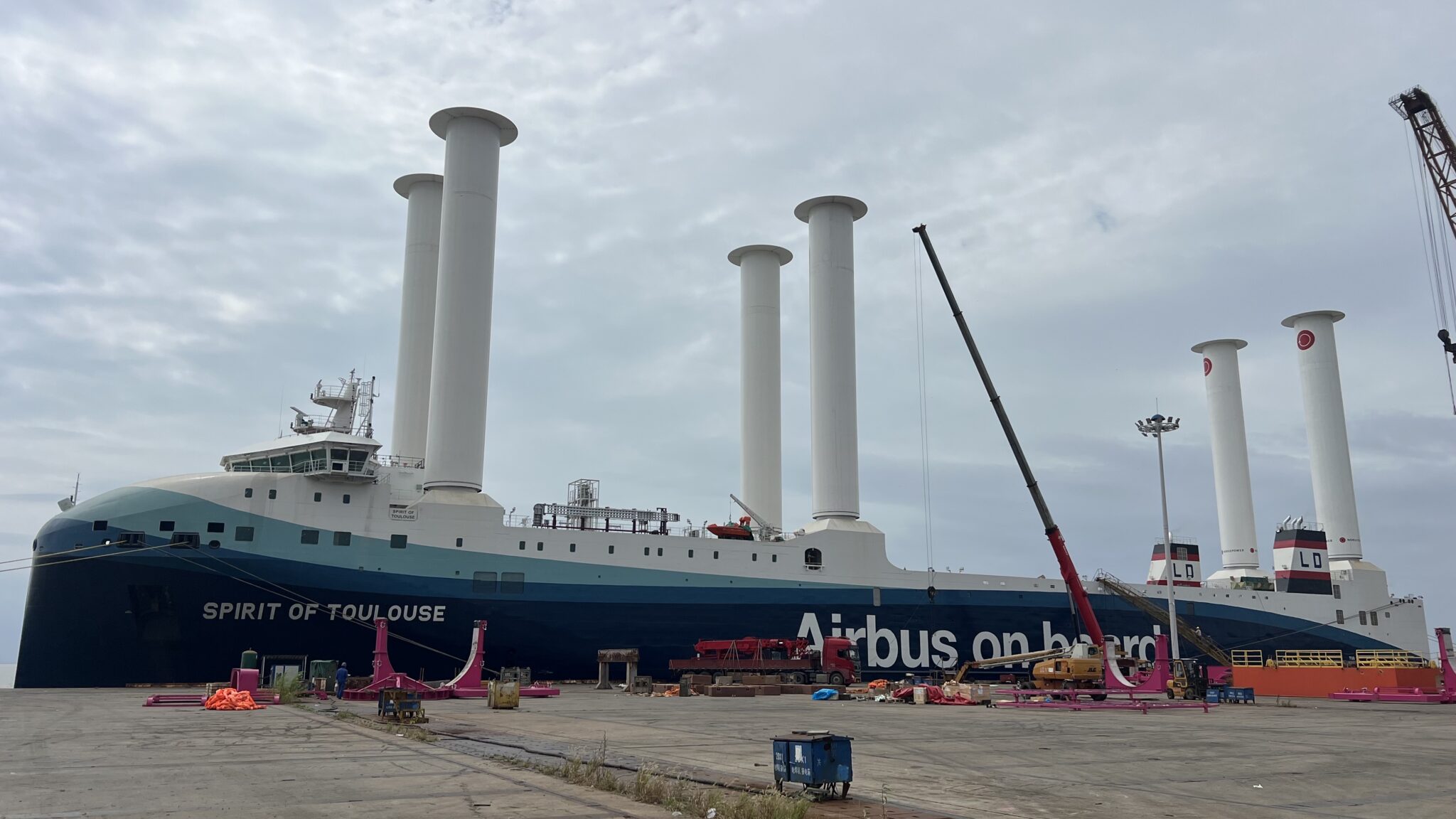
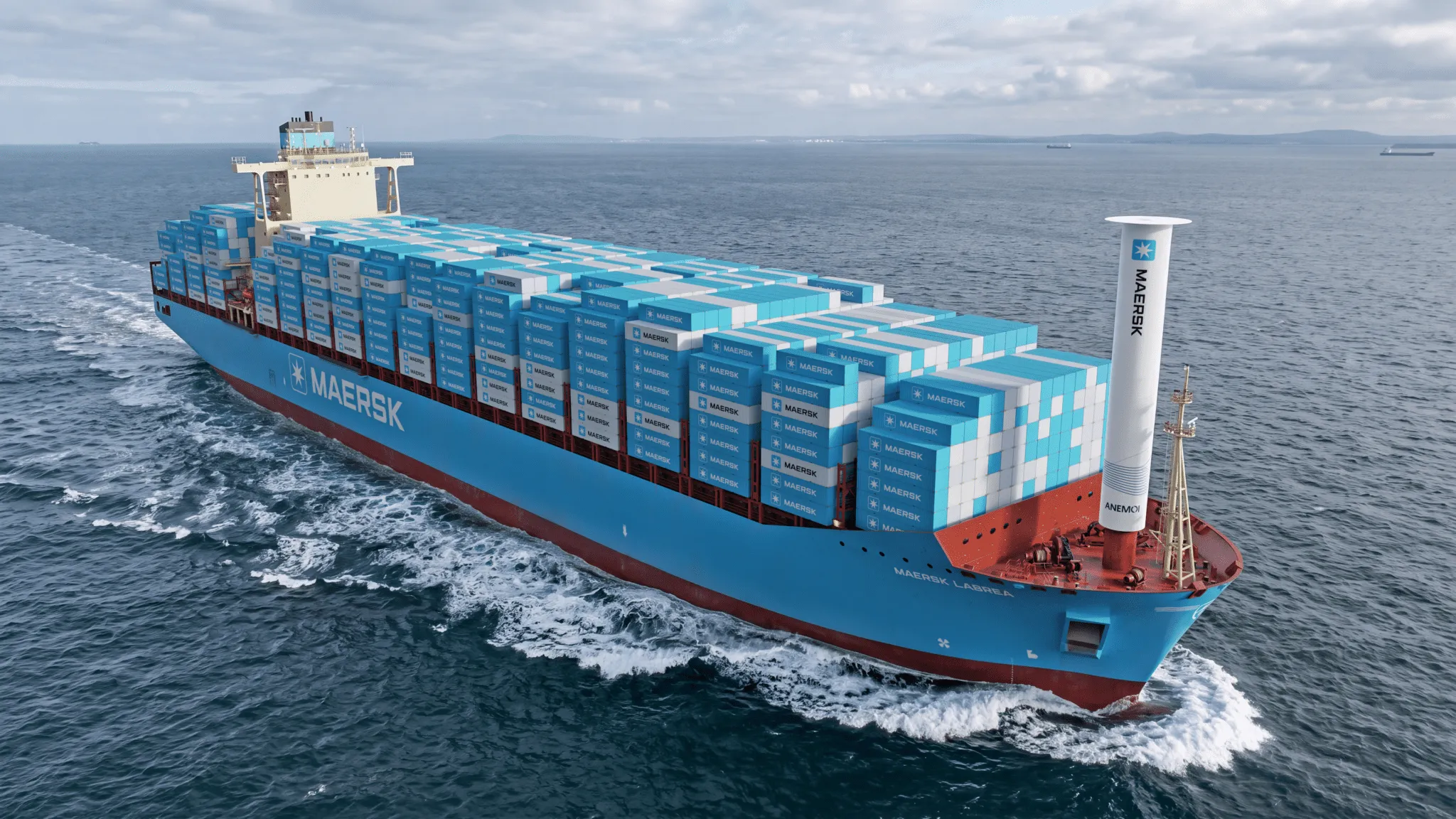
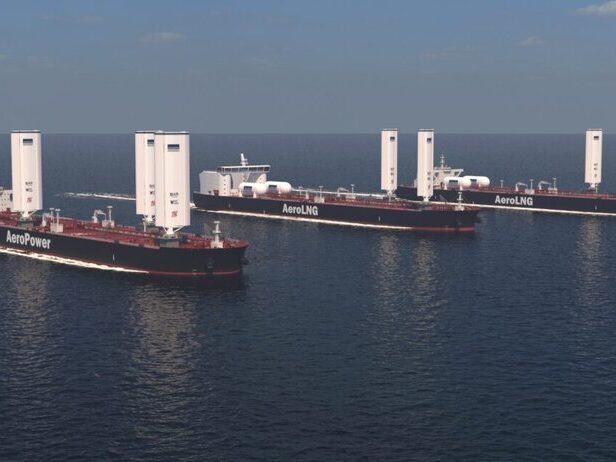
According to the International Windship Association, more than 100 large commercial cargo ships are now equipped to harness wind power – almost five times the number recorded in May 2022. By the end of 2026, BAR Technologies will have equipped 10 vessels with 23 sets of WindWings – which the company states will save approximately 100 tonnes of CO2 per day.
John Cooper, CEO of BAR Technologies, said:Shipping needs to stop treating decarbonisation as something that only begins when future fuels arrive or every detail of the IMO’s Net-Zero Framework is settled.
The industry cannot allow the absence of perfect policy certainty to become an excuse for inaction. Proven technologies are available now, and owners can act today.
Wind propulsion is not waiting to be invented or proven. It is already operating on commercial vessels and reducing the amount of fuel they need. The priority now should be to remove the barriers preventing more owners from investing.
But the real way to unlock action now is to make green investment affordable. Shipowners need access to financing that makes proven emissions-reduction technologies commercially viable today, not at some point in the future. If we can lower the cost of capital and create funding structures that recognise both the fuel savings and the environmental value these technologies deliver, far more owners will be able to invest.
Wind propulsion has already passed the technology test. Affordable finance, alongside charterparty structures that share the benefits fairly, is what will unlock deployment at scale.