The European Union has outlined plans to strengthen Arctic maritime security, expand icebreaker capacity and improve ocean monitoring under its new Arctic Strategy, published on 20 October 2026.
The strategy responds to growing geopolitical competition, climate change and increased economic interest in the Arctic, including new shipping routes and access to natural resources.
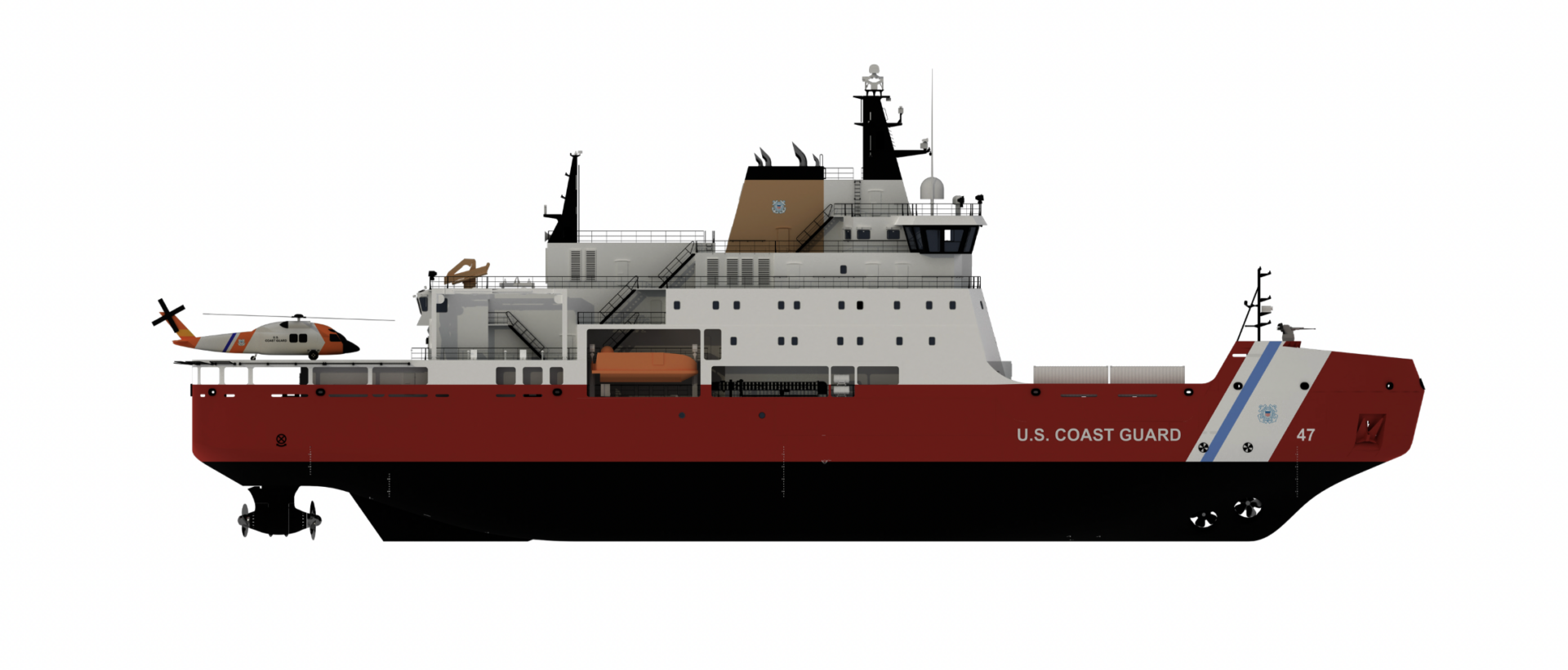
A key measure is to expand European icebreaker capacity. The EU plans to map industrial capabilities and operational requirements, support joint procurement and encourage resource-sharing to improve the availability of advanced icebreakers across Europe.
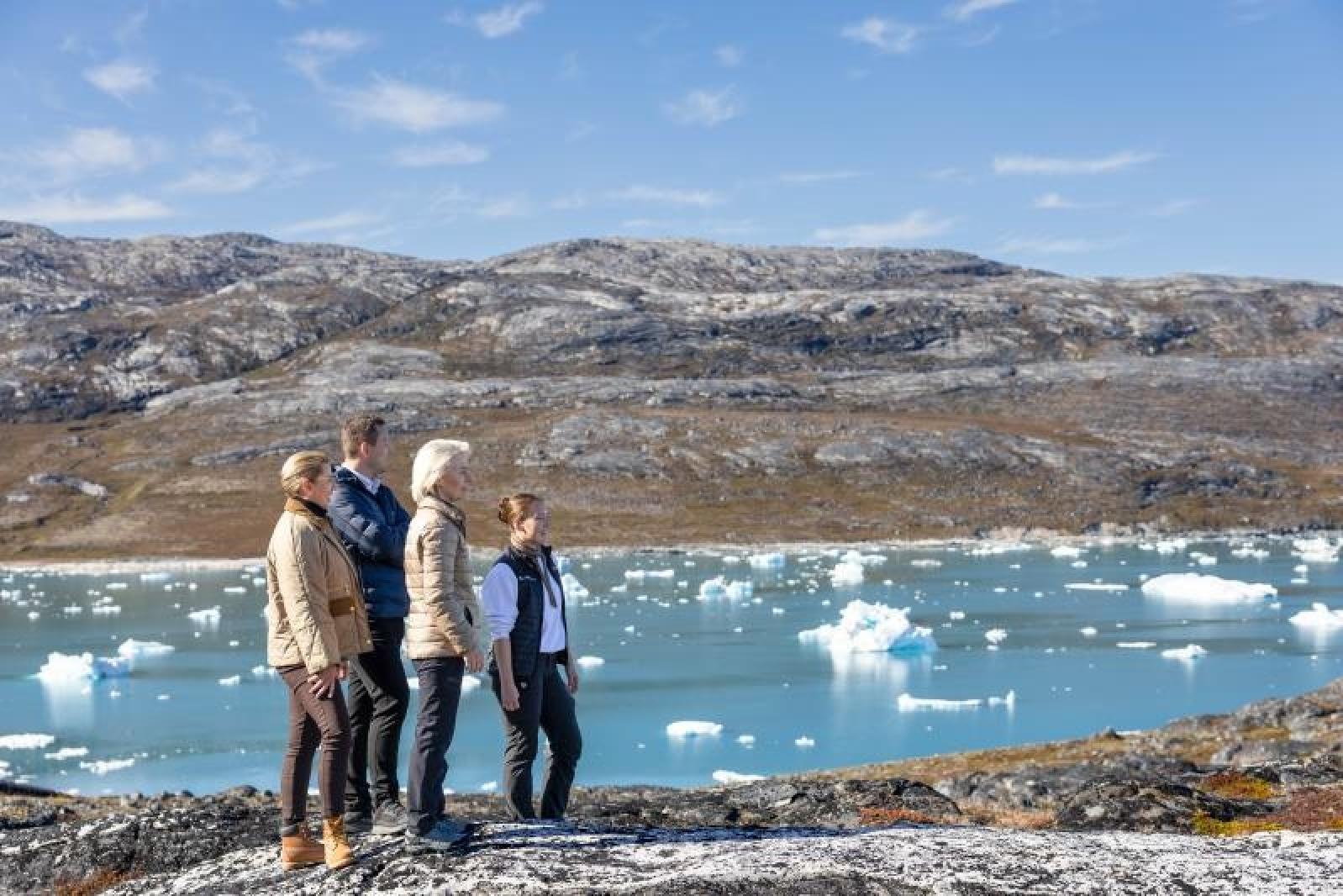
Ursula von der Leyen, President of the European Commission said:The Arctic is Europe's Northern Neighbourhood - close, connected and critical to our future. And it is changing. New shipping routes and resources are driving strategic competition. With our new strategy, we are investing in stronger security, resilient infrastructure and economic opportunities. For the benefit of the people who call the Arctic home, and for our shared space.
The strategy also proposes a Maritime Security Hub to improve information-sharing between participating countries and partners. An initial Arctic Cable Hub will focus on monitoring, protecting and supporting repairs to submarine cables in the North Atlantic and Arctic.
A separate surveillance pilot, planned for 2027, will use satellite monitoring and data-sharing to improve maritime domain awareness and situational awareness in the region.
Ocean monitoring has also been outlined as a priority. Through its proposed OceanEye initiative, the EU intends to work with Member States and international partners, including Canada and Norway, to collect and share ocean data to support maritime safety, security and climate research.
Furthermore, the strategy identifies sustainable marine industries as an area of economic opportunity, alongside renewable energy, transport and digital connectivity. Its four priorities are security, climate, economy and people, with an emphasis on cooperation with Arctic communities and Indigenous Peoples.
The new strategy builds on the EU’s 2021 Arctic policy and establishes a framework for closer cooperation with Arctic partners.