The European Commission has adopted a new EU Ports Strategy aimed at strengthening the competitiveness, resilience, security and environmental performance of ports.
Announced on 4 March, the strategy establishes a framework to support Europe’s ports as they respond to growing economic and geopolitical pressures, while also contributing to the EU’s climate objectives.
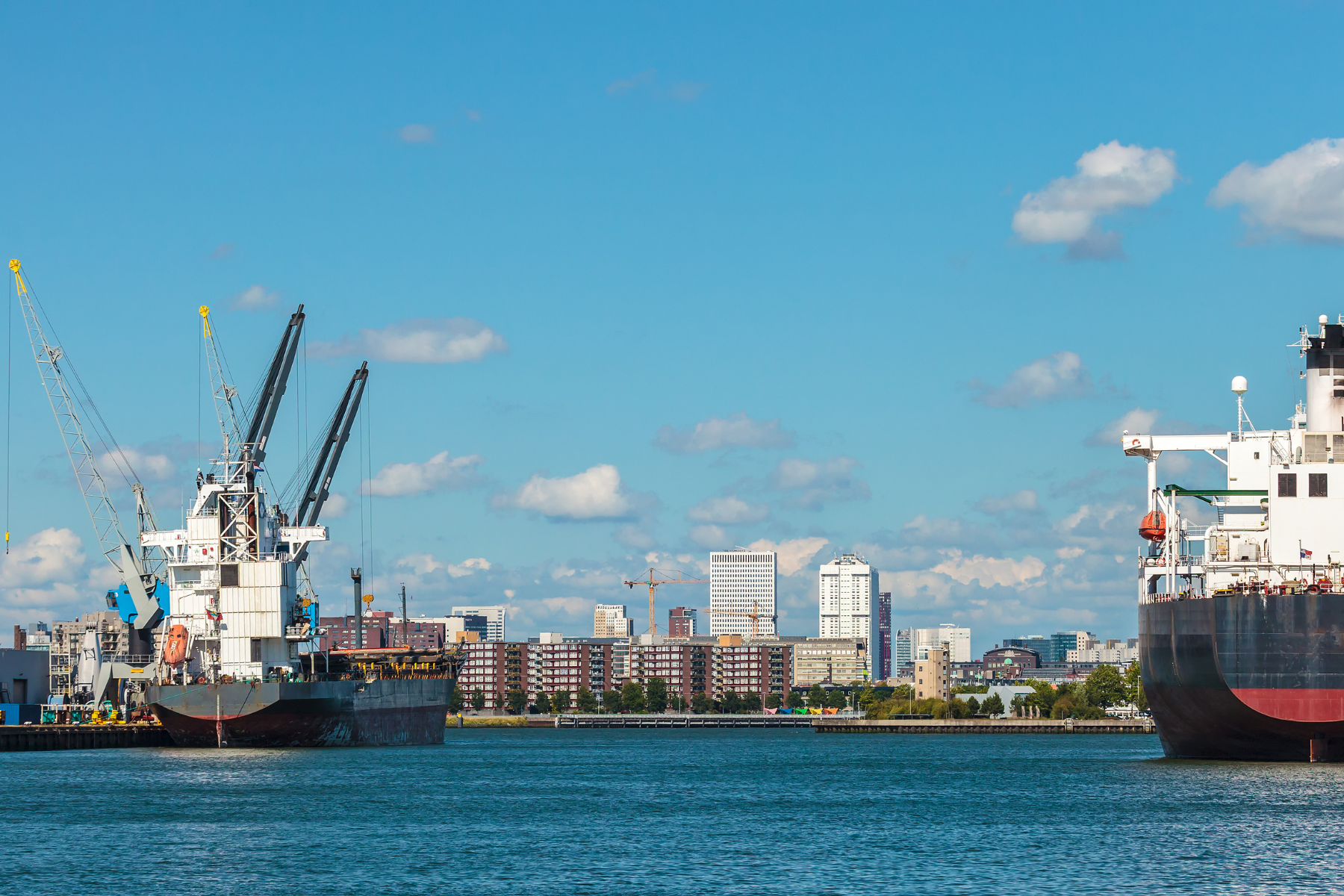
Ports play a central role in the European economy. They handle around 74 percent of the EU’s external trade, amounting to 3.4 billion tonnes of goods each year, and serve nearly 395 million passengers. The sector supports more than 423,000 direct jobs and provides vital connections for islands, coastal communities, Arctic territories and outermost regions.
As ports increasingly operate as multi-functional industrial hubs, the Commission said they must expand capacity, reduce emissions, adopt digital technologies and strengthen security arrangements simultaneously.
Five Priority Areas
The strategy sets out measures under five main priorities.
Competitiveness, innovation and digitalisation
To improve coordination, the Commission will develop criteria and guiding principles for EU funding and investments, including in third-country ports. It also plans to issue guidance on foreign ownership and control, particularly for ports considered strategic dual-use infrastructure.
Support for innovation and the deployment of digital and low-emission technologies will form part of efforts to modernise port operations.
Energy transition and sustainability
To facilitate the shift to cleaner energy, the Commission intends to accelerate permit-granting and streamline assessment procedures for strategic energy and environmental projects in port areas.
An upcoming Electrification Action Plan will focus on port electrification, grid access and the deployment of clean energy solutions. Partnerships for energy cooperation, including in hydrogen, will be encouraged to promote sustainable energy use in and around ports.
Security and protection
The strategy proposes updates to existing port security guidance to address emerging threats and to promote consistent standards internationally.
In response to drug trafficking concerns, and building on work carried out under the European Ports Alliance public-private partnership, the Commission will introduce frameworks for assessing third-country ports and for conducting background checks on port workers. Customs controls across EU ports are also set to be better aligned.
A new forum will bring together Member States and port authorities to exchange best practice on cybersecurity. An EU-wide security risk assessment will identify key cyber threats and possible mitigating measures.
Access to finance
Drawing on instruments such as the Connecting Europe Facility, Cohesion Policy funds and InvestEU, the Commission will apply targeted funding principles to improve coordination and efficiency.
Advisory services and de-risking tools will be made more accessible, with particular attention to small and medium-sized ports.
Social cohesion and skills
The strategy acknowledges the role of smaller ports and outlines initiatives to support them in areas including innovation, clean energy, security and connectivity.
Under the Blue Generational Renewal Strategy, the Commission will promote skills development across blue economy sectors. A new Pact for Skills for the ports sector will focus on upskilling, reskilling and workforce inclusion.
Guidance will also be prepared on the application of maritime safety legislation to port workers on board ships and on the safe handling of alternative fuels.
To oversee implementation, the Commission will establish a high-level Maritime Industries and Ports Board, chaired by the responsible Commissioner and Executive Vice-Presidents.
Commissioner for Sustainable Transport and Tourism, Apostolos Tzitzikostas, said:With our EU Ports and Industrial Maritime Strategies, we are equipping Europe’s ports, shipping and shipbuilding sectors to lead the clean energy transition, secure trade and defence, and remain globally competitive. They renew our ambition for European maritime leadership, reinforcing economic security, driving sustainable growth, and supporting quality jobs and territorial cohesion across Europe. Working hand in hand with industry and all relevant stakeholders, we will turn these Strategies into concrete results and anchor Europe as the leading waterborne continent.
The strategy builds on the 2013 Ports Policy and consolidates both existing and new initiatives. It provides guidance on implementing current legislation and offers recommendations to Member States and industry stakeholders.
It has been adopted alongside the EU Industrial Maritime Strategy, which addresses the shipbuilding and shipping sectors.