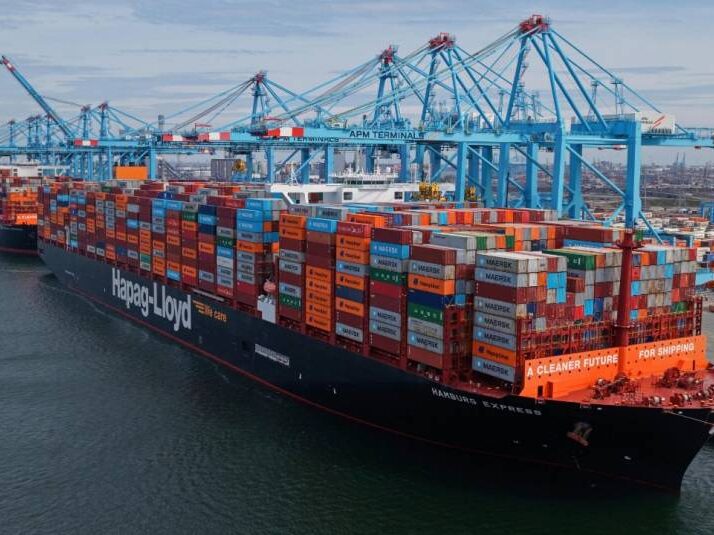
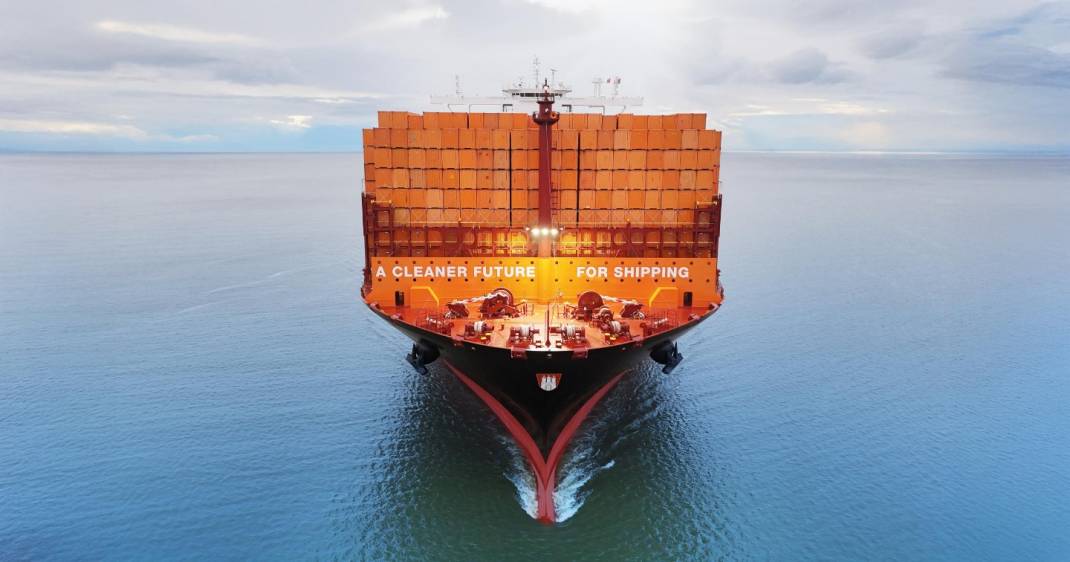
Hapag-Lloyd has signed an agreement with the Hamburg Port Authority (HPA) to use shore power facilities across the Port of Hamburg, supporting the company’s efforts to reduce emissions from vessels while they are berthed.
Under the agreement, the container shipping company will use the port’s Onshore Power Supply (OPS) infrastructure whenever it is available and operationally suitable. The arrangement covers shore power facilities at all container terminals in the port.
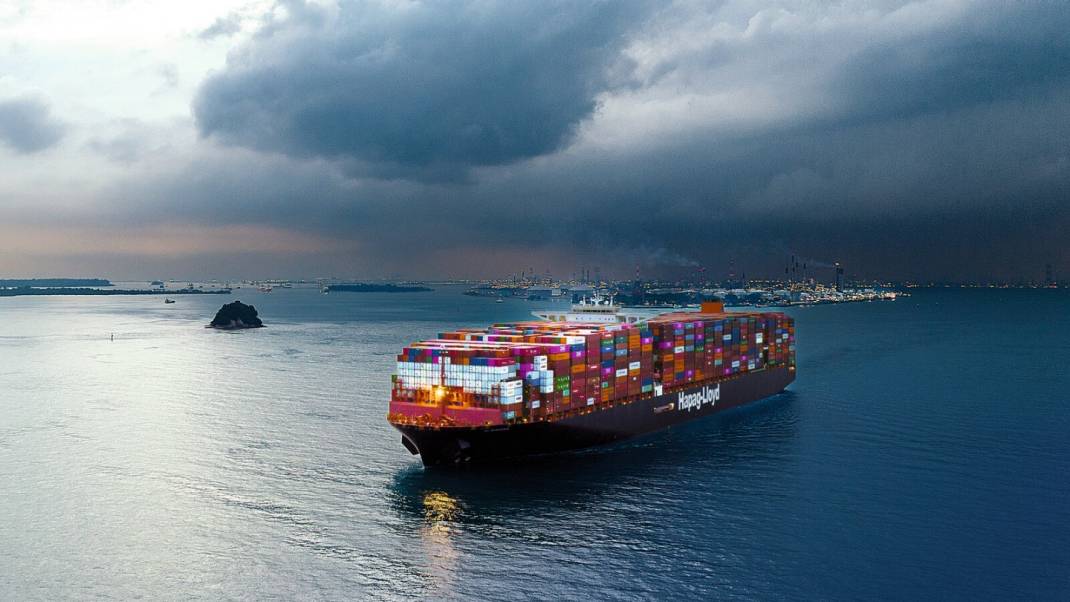
The agreement follows the successful use of shore power by the container vessels Al Muraykh and Tihama during recent calls at Hamburg. Both ships operate on Hapag-Lloyd’s Asia–North Europe NE2 service.
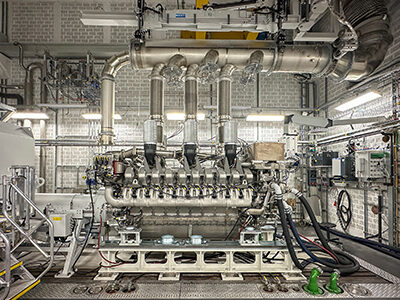
Shore power allows vessels equipped with the necessary technology to switch off their onboard auxiliary engines while in port and instead draw electricity from the local power grid. This can reduce emissions associated with port operations, as well as noise from ships while they are alongside.
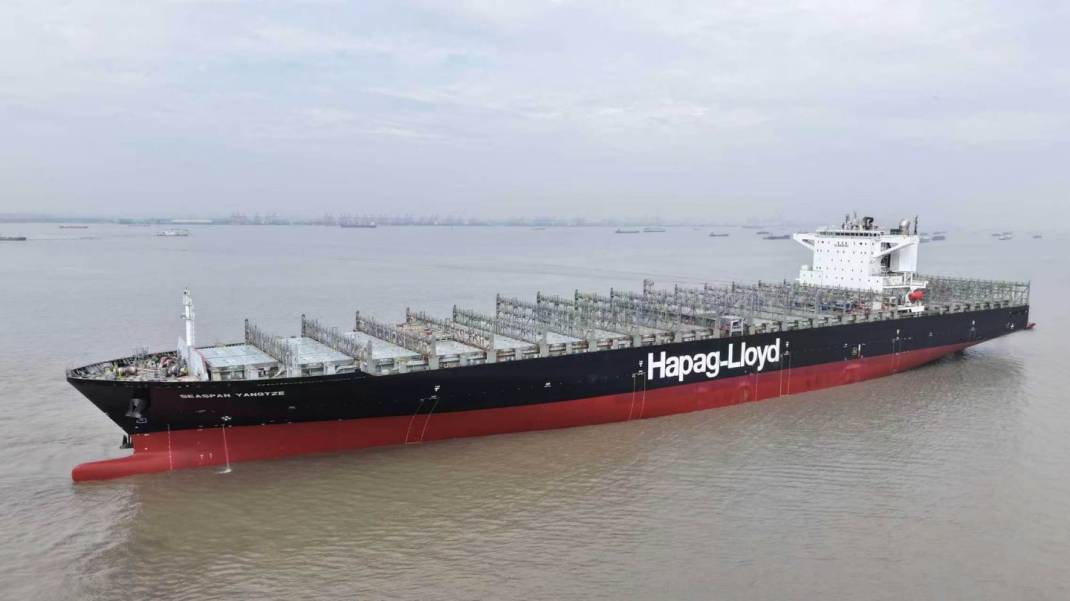
Hapag-Lloyd stated that approximately 35% of its current fleet is now equipped to connect to shore power. The company added that all newly built vessels are designed to be shore power compatible, while existing ships are being retrofitted where appropriate.
Rolf Habben Jansen, Chief Executive Officer of Hapag-Lloyd, said:Shore power is an important element on our path toward lower-emission vessel operations in ports and towards our goal of achieving net-zero fleet emissions by 2045. All our newbuildings are already shore-power ready, and we are retrofitting suitable vessels in the existing fleet accordingly. Wherever the infrastructure is available and its use makes operational sense, we use shore power. Hamburg demonstrates how investments in lower-emission vessel operations can be put into practice.
The Port of Hamburg has been expanding its shore power infrastructure in recent years as part of efforts to enable more vessels to connect to the electricity grid while in port. The latest agreement is intended to support greater utilisation of the facilities as more compatible vessels enter service.