The European Union’s latest sanctions package against Russia introduces a series of measures with direct implications for the maritime sector, targeting shipping operations, vessel ownership structures and associated services.
Announced by the European Commission, the 20th package expands efforts to restrict the movement of Russian oil and limit the role of European operators in global shipping networks linked to Moscow.
Shadow Fleet Vessels
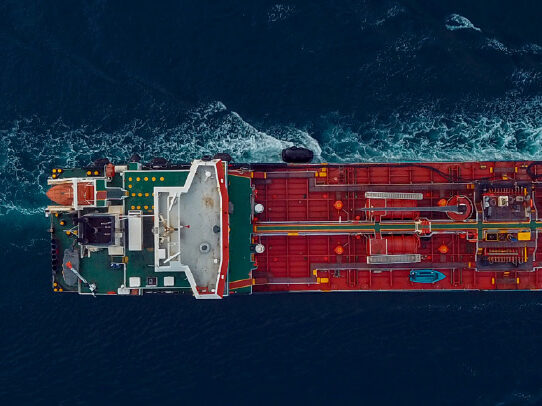
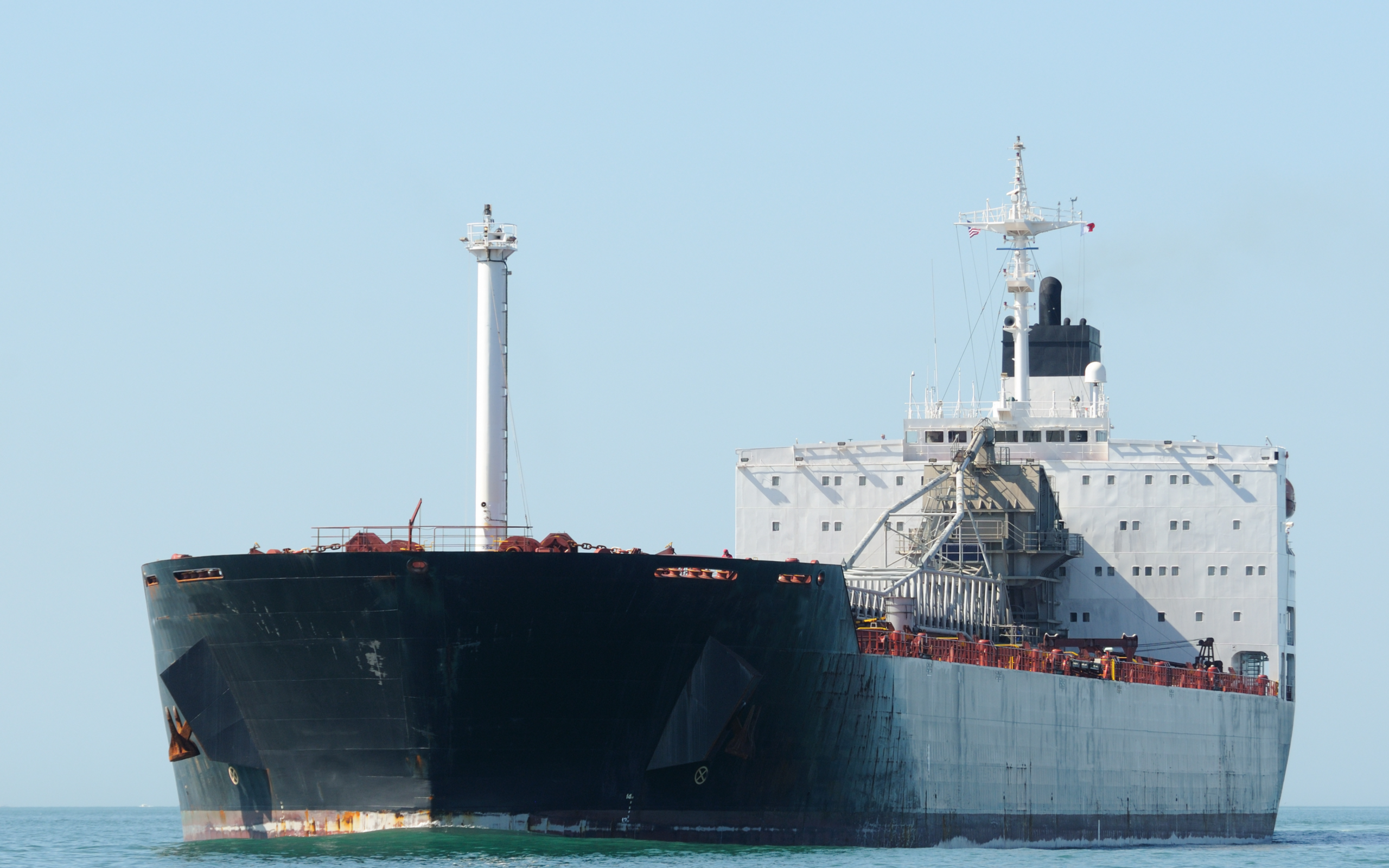
A central element of the package is the continued targeting of the shadow fleet, a network of vessels often operating under opaque ownership and registration arrangements to transport Russian oil.
The EU has added 46 ships to its sanctions list, bringing the total number of restricted vessels to 632. These ships are now barred from EU ports and cannot access a range of maritime services, including insurance, technical support and brokerage.
At the same time, 11 vessels have been removed from the list after demonstrating compliance, signalling that operators may be delisted if they meet EU requirements.
Port Restrictions Beyond Russia
The package introduces new port-related measures affecting both Russian and third-country infrastructure. The Port of Murmansk and Port of Tuapse have been formally designated, restricting their use in trade linked to EU operators.
In a notable development, the EU has also listed the Karimun Oil Terminal in Indonesia, marking the first time a third-country port has been included due to its alleged role in facilitating ship-to-ship transfers and other activities linked to sanctions evasion.
Compliance Rules for Tanker Sales
European shipowners and brokers face stricter due diligence requirements when selling tankers. The measures introduce mandatory contractual clauses preventing the resale or deployment of vessels for Russian oil transport.
A new provision encourages the scrapping or recycling of vessels previously associated with the shadow fleet, potentially affecting the second-hand tanker market and ship recycling industry.
These rules could increase administrative burdens for European sellers and insurers, while also reducing the pool of available vessels in certain segments.
Maritime Services
The sanctions package places additional limits on maritime services provided by EU-based companies. A significant maritime insurer has been listed, reinforcing restrictions on underwriting for vessels linked to Russian oil exports.
New rules also prohibit EU operators from providing maintenance services to Russian liquefied natural gas (LNG) tankers and icebreakers. This is expected to affect the operational reliability of specialised vessels operating in Arctic and cold-weather routes.
In parallel, EU companies are given legal grounds to terminate long-term contracts with Russian LNG operators, potentially reshaping contractual relationships across the gas shipping sector.
Oil Transport Services
The package establishes a framework for a future prohibition on transporting Russian crude oil and petroleum products, in coordination with the G7 and allied partners.
The measure has not yet entered into force, and EU officials indicated that a transition period would be considered. If implemented, it could further reduce available shipping capacity for Russian exports and shift global tanker trade patterns.
Implications for Shipping Firms
Beyond direct restrictions, the package includes provisions aimed at protecting EU maritime operators from legal disputes linked to sanctions enforcement. Member states will be able to penalise entities pursuing what the EU considers abusive litigation against European companies.
Shipping firms are also affected by broader financial measures, including tighter controls on payment intermediaries and increased scrutiny of transactions involving third-country entities.
The latest sanctions are likely to deepen existing fragmentation in global shipping markets, particularly in the tanker segment. Operators may face higher compliance costs, increased due diligence requirements and shifting trade flows.
The EU has indicated that further adjustments also remain possible, depending on developments in the conflict and the effectiveness of current measures.