The Ontario government has announced a partnership with the federal government and the Hamilton-Oshawa Port Authority (HOPA) to build a new port facility in Sault Ste. Marie.
Once built, the new port is expected to improve access to domestic and international markets, strengthen supply chains and support trade diversification whilst reducing overall reliance on the United States.
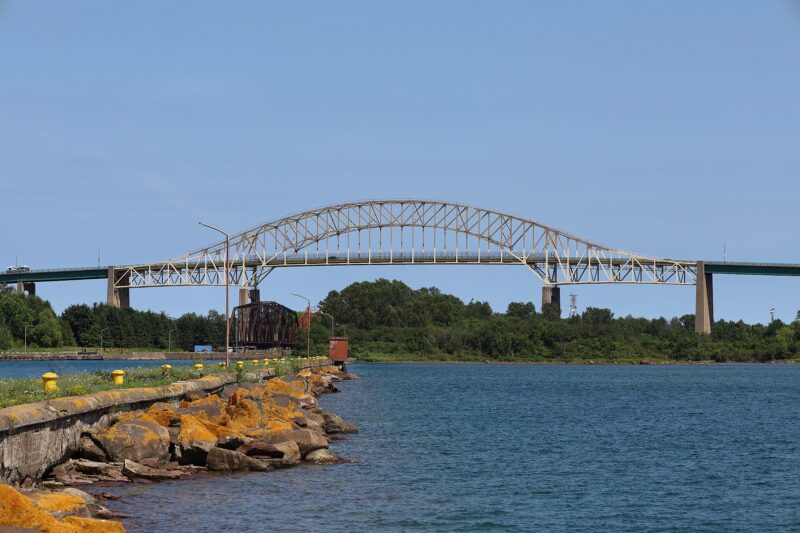
A new Great Lakes gateway will aim to support a wide variety of key sectors, such as mining, steelmaking, manufacturing and critical mineral development in northern Ontario, including the Ring of Fire region. The port will also seek to help businesses reach new customers, attract investment and support 2,150 direct jobs and 2,120 indirect jobs annually across the province.
Premier Doug Ford said:With U.S. tariffs threatening Canadian jobs and industries, there has never been a more important time to build for the future and invest in infrastructure that will help Canadian businesses diversify.
By partnering with HOPA and the federal government to build this new port in Sault Ste. Marie, using Canadian steel, lumber and other products wherever we can, we’re opening new markets for Ontario businesses, unlocking the economic potential of northern Ontario and protecting thousands of good-paying jobs for workers across the province.
Ontario has stated intentions to contribute 125 million CAD towards the new port through a repayable financing loan, whilst the federal government will contribute 125 million CAD through the Government of Canada’s Trade Diversification Corridors Fund. The port will be developed by HOPA, a Canadian Great Lakes port authority with port and marine assets in Hamilton, Niagara and Oshawa, and the facility will transform approximately 98 hectares of industrial and brownfield land into a modern transportation hub connecting marine, rail and highway networks.
Featuring two new Seaway-draft berths, a full rail transload yard and supporting infrastructure, the port will provide more efficient ways to move goods between northern Ontario, southern Ontario, Quebec and international markets. The port is anticipated to increase cargo capacity from 627,400 metric tonnes to 2.4 million metric tonnes when fully operational.