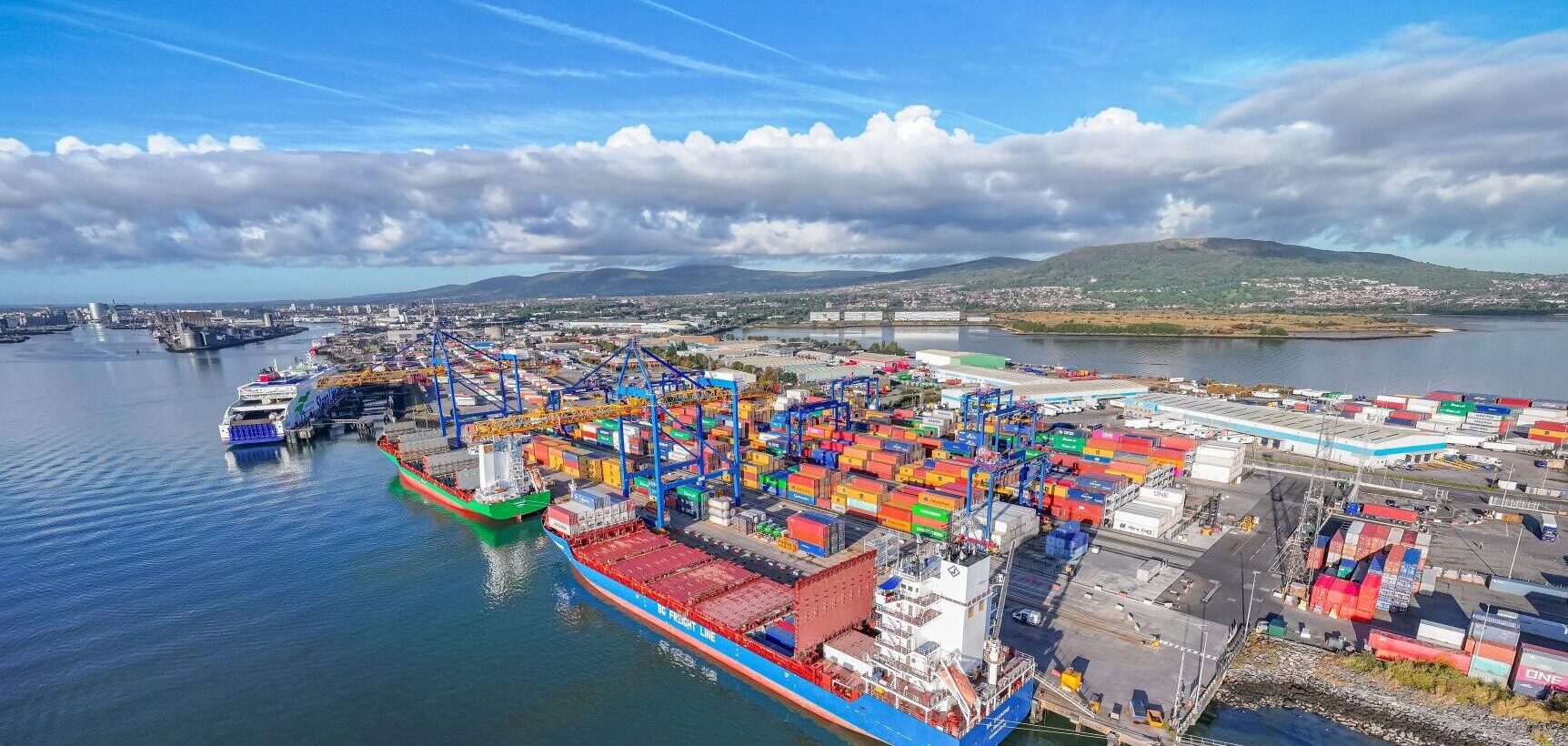
PortXchange has called for European Union Emissions Trading System (EU ETS) revenues to be used to support operational efficiency projects at ports, alongside investment in alternative fuels. The company argues that both will be needed to reduce emissions from the shipping sector.
The comments follow the European Commission’s proposal, published on 17 July, to revise the EU ETS as part of efforts to strengthen industrial competitiveness and support the EU’s 2040 climate target.
The proposal has been welcomed by the European Community Shipowners’ Associations (ECSA), which supports the earmarking of EU ETS revenues for shipping decarbonisation, including investment in sustainable fuels and simplified reporting requirements. However, ECSA has also said that the current proposals do not adequately support energy-efficiency projects and some clean technologies.
PortXchange has echoed those concerns and said the funding framework should also recognise the role of ports in reducing emissions.
According to the company, shipping decarbonisation should include measures such as improved voyage planning, port-call coordination and information sharing, which can reduce unnecessary waiting times, excessive vessel speeds before arrival and congestion-related emissions.
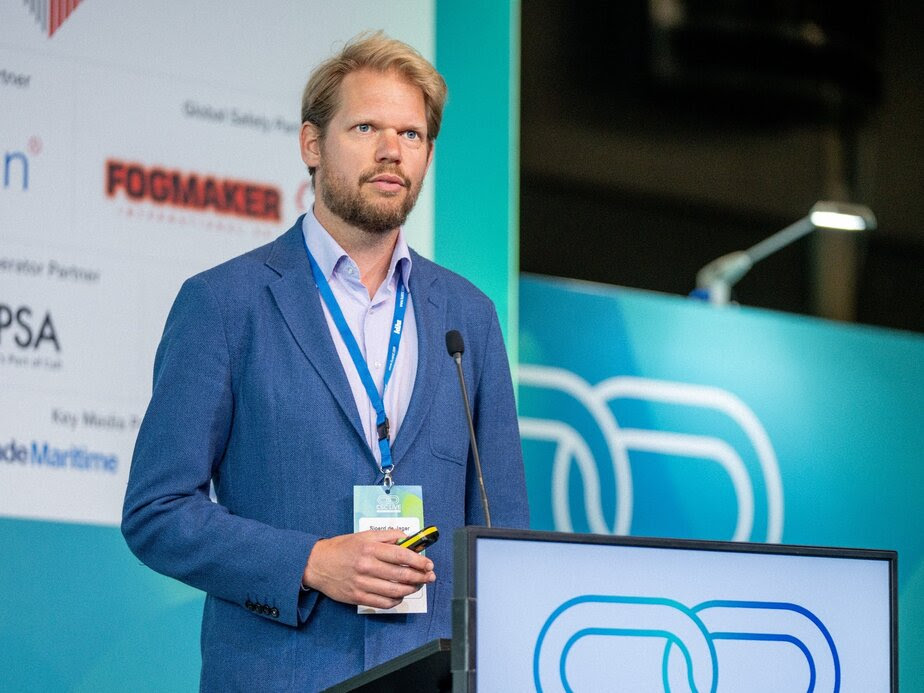
Sjoerd de Jager, Managing Director and Co-Founder of PortXchange, said:Earmarking shipping revenues for shipping decarbonisation is absolutely the right direction. But ports cannot be treated as spectators in this transition. They are one of the few places where emissions from today’s fleet can be understood, influenced and reduced immediately.
It makes little sense to collect billions from shipping emissions while excluding measures that can cut those emissions now. Sustainable fuels are essential, but they remain expensive, scarce and uncertain. Europe should not fund only the future while ignoring the operational waste happening in and around ports every day.
PortXchange said operational improvements during the final stages of a vessel’s voyage could provide emissions reductions without requiring new vessels or fuel technologies.
The company argues that digital emissions monitoring, port-call optimisation and improved coordination between ports and shipping operators should be recognised as decarbonisation measures eligible for EU ETS funding.
It also said consistent emissions reporting across European ports would be necessary to demonstrate the effectiveness of funded projects.
PortXchange’s position is based on its work supporting ports with emissions monitoring across maritime and landside operations through its EmissionInsider platform, which tracks Scope 1, 2 and 3 emissions from vessel, truck, rail and terminal activities. The company says this data can help ports identify emissions sources, prioritise decarbonisation measures and assess their impact over time.