By Cleveland Containers
For decades, lean “just in time” supply chains were the dominant model across UK industry, meaning materials arrived as they were needed, storage costs were kept low, and the system worked well enough provided the flow of goods remained predictable.
However, a run of global disruptions has had a huge impact on that calculation. A combination of shipping disruption, port congestion, geopolitical tensions and extreme weather have made global supply chains much less reliable than they once were.
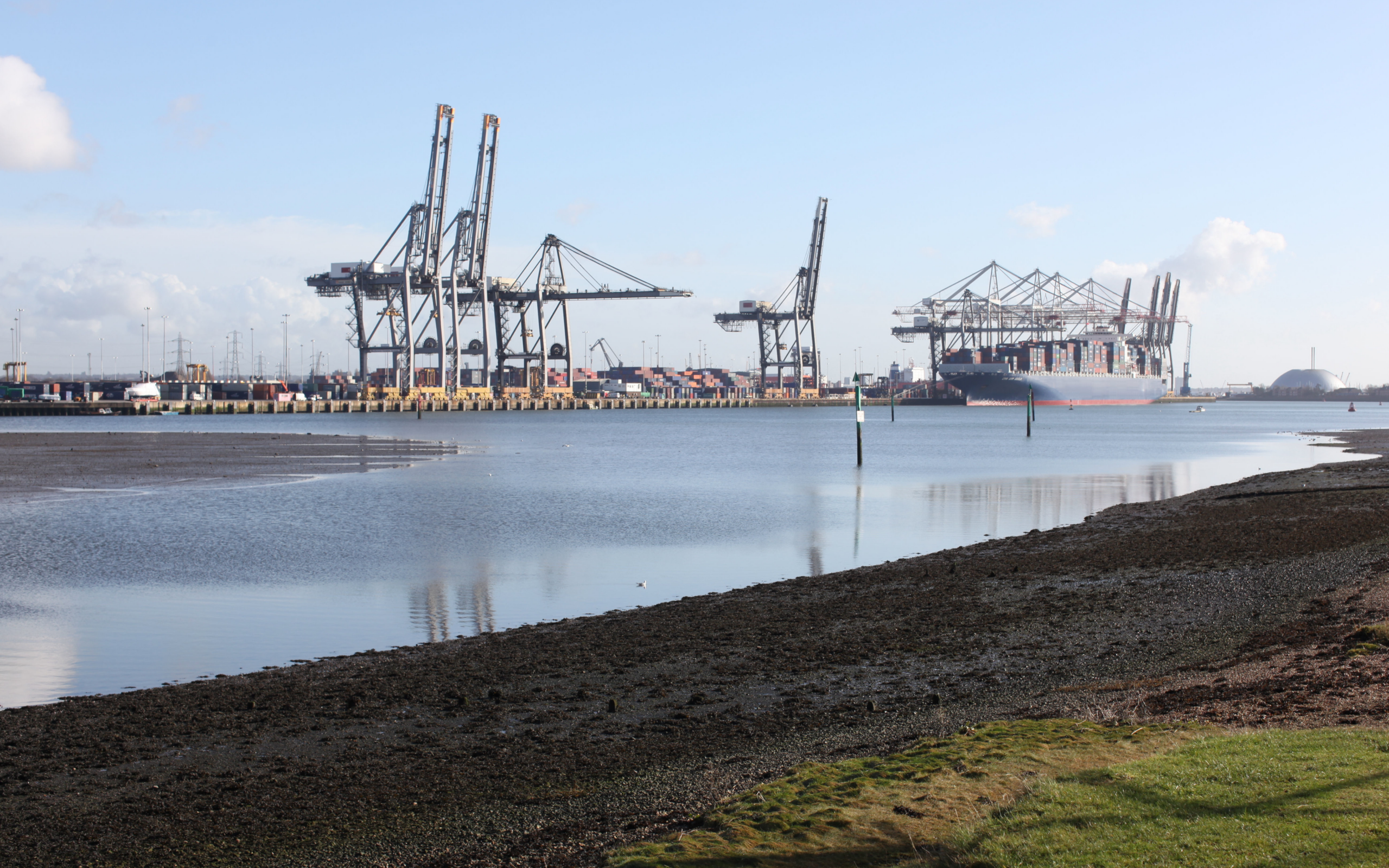
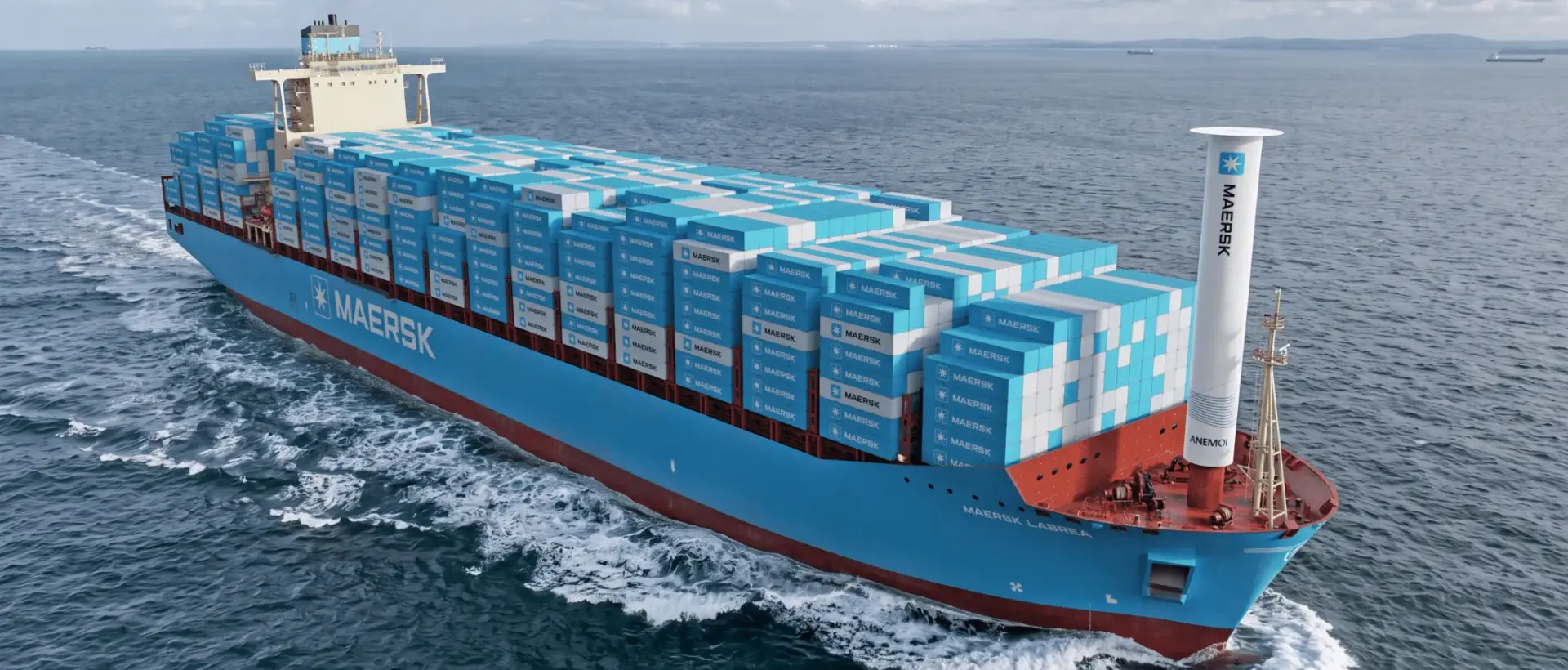
In 2024, instability in the Red Sea forced UK-bound container ships to reroute around the Cape of Good Hope, adding several weeks to transit times. Around 85 percent of the UK’s international freight by weight still moves by sea, leaving businesses with limited room to absorb unexpected delays.
Rather than depending entirely on lean inventory models, a growing number of businesses are now holding more stock as a buffer against disruption. This is the logic behind what is widely referred to as “just in case” supply chain management.
Here, experts at Cleveland Containers, a leading supplier of shipping containers, and part of the Cleveland Group, offer their insights on how this shift is playing out on the ground and what it means for businesses that need to store additional materials at short notice.
Construction: A Sector with Little Room for Error
The construction industry’s exposure to supply chain disruption is difficult to manage within traditional operating models. Government data shows that 60% of UK construction material imports came from the EU in 2025, meaning that any deterioration in trade routes, border processes or shipping reliability feeds directly into project timelines and costs. Unlike retail, where a delayed delivery can often be absorbed with a temporary stockout, a delayed material on a construction site can bring an entire programme to a halt.
Tight margins add to the pressure with the average net profit across the construction sector sitting at around 2 to 4%, and fixed-price contracts mean that unexpected cost increases are rarely recoverable. When material prices spike in response to shipping disruption, or when lead times stretch without warning, businesses without buffer stock find themselves making difficult decisions quickly.
Hayley Hedley, Group Commercial Director at Cleveland Containers said:Construction firms are not naturally set up to hold large volumes of stock. The traditional model has always been to order close to when needed and keep sites as lean as possible. What we are seeing now is a growing number of businesses questioning whether that approach still makes commercial sense given how unpredictable supply has become.
Why More Businesses Are Ordering Earlier and Storing Longer
Research shows that 84% of UK businesses were planning to move away from just in time models towards more resilient inventory approaches, with supply chain vulnerability cited as the primary driver. In the construction sector specifically, this has translated into firms securing materials earlier, placing forward orders with suppliers and, in some cases, holding stock on or near site for weeks or months at a time.
The businesses that secured materials ahead of the Red Sea disruption in 2024 were insulated from the price spikes and extended lead times that affected those ordering to schedule. Those without buffer stock absorbed both the delay and the additional cost.
Hedley said:The businesses that came through that period in the strongest position were those that had already committed to stock before the problems materialised. It is not about hoarding or over-ordering. It is about building enough of a cushion that a disruption in one part of the supply chain does not immediately become a problem on site.
Where to Put the Buffer: Solving the Space Problem
Holding more stock creates a storage challenge that is easy to underestimate. Space is needed quickly, and that space needs to be functional, secure and flexible enough to scale up or down as circumstances change. For construction businesses operating across multiple sites or with variable project pipelines, committing to leased warehousing isn’t necessarily the best solution.
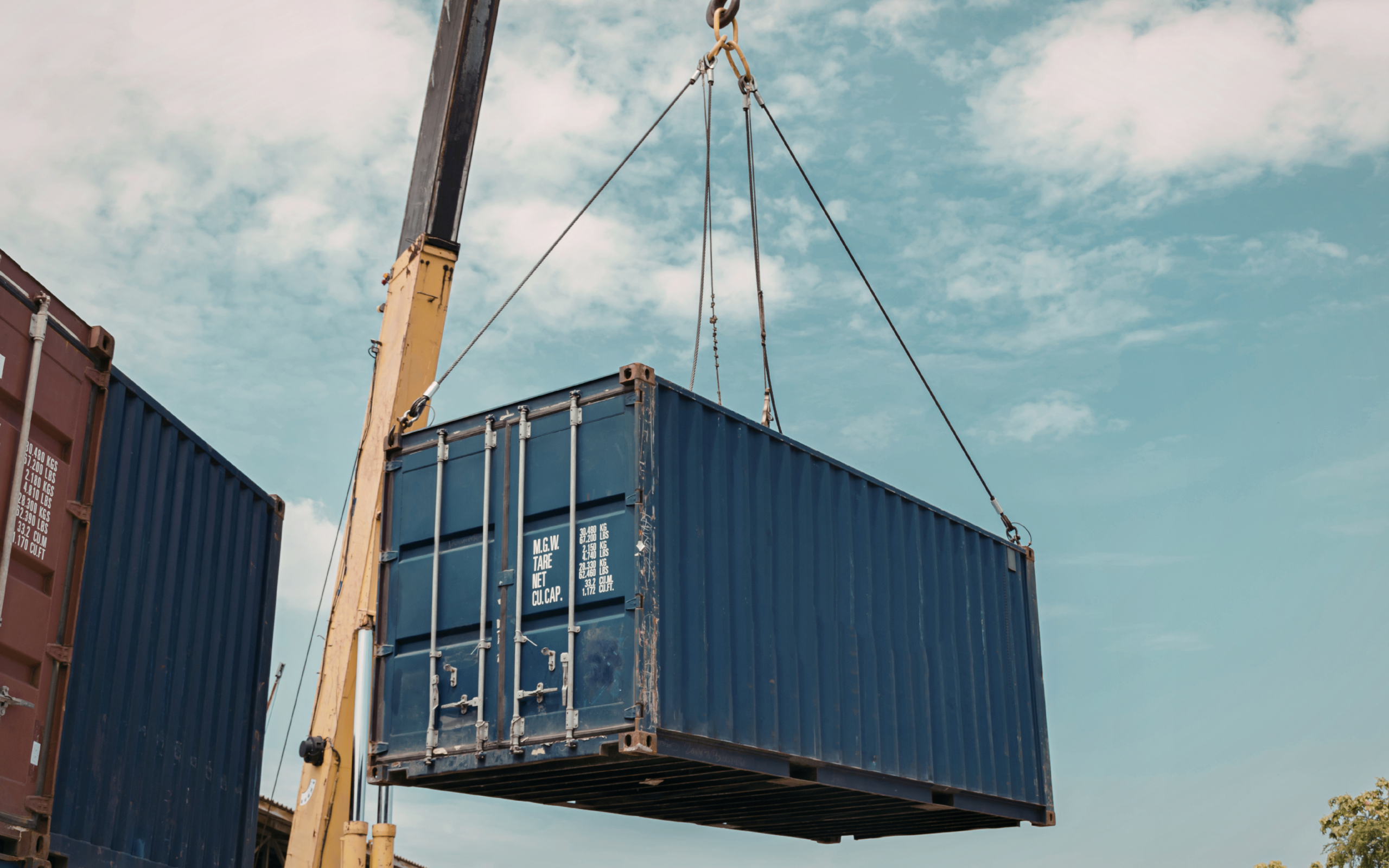
Shipping containers are increasingly being used as a storage solution in this context. They can be positioned on or adjacent to construction sites, they are weatherproof and secure, and they can be deployed without the lead times or fixed commitments that come with leased premises. For businesses looking to hold a buffer stock of materials such as fixings, pipework, electrical components or structural steelwork, containers offer a straightforward and cost-effective option.
Hiring containers, rather than buying them outright, gives businesses an additional layer of flexibility when storage needs are tied to a specific project or an uncertain length of disruption. A hired container can be brought in when extra capacity is needed and released again once it’s no longer required, meaning storage costs scale in line with actual demand rather than sitting as a fixed cost on the balance sheet. This is particularly useful for firms managing several sites at once, where storage requirements can shift from one month to the next.
Hedley said:Storage tends to be an afterthought in supply chain planning, but it is a critical part of making just in case work in practice. Hiring containers gives businesses the option to respond to what a project actually needs, rather than committing to a fixed amount of space regardless of how requirements change. If a business wants to hold a month's worth of materials as a contingency, it needs somewhere suitable to put them quickly, and hiring means that capacity can be scaled up or down without being locked into ownership.
Flexibility Is the Key to Making “Just in Case” Work
Businesses across the construction sector are accepting that some additional holding cost is a reasonable price to pay for protection against disruption. The key is doing so in a way that remains proportionate and does not introduce fixed overhead where flexibility is what is needed.
Hedley said:The most sensible approach is a hybrid model, where core materials are held as buffer stock and fast-moving or low-risk items are still ordered close to when needed. What matters is that businesses make a considered decision about where the risk sits, rather than assuming the supply chain will always perform.